

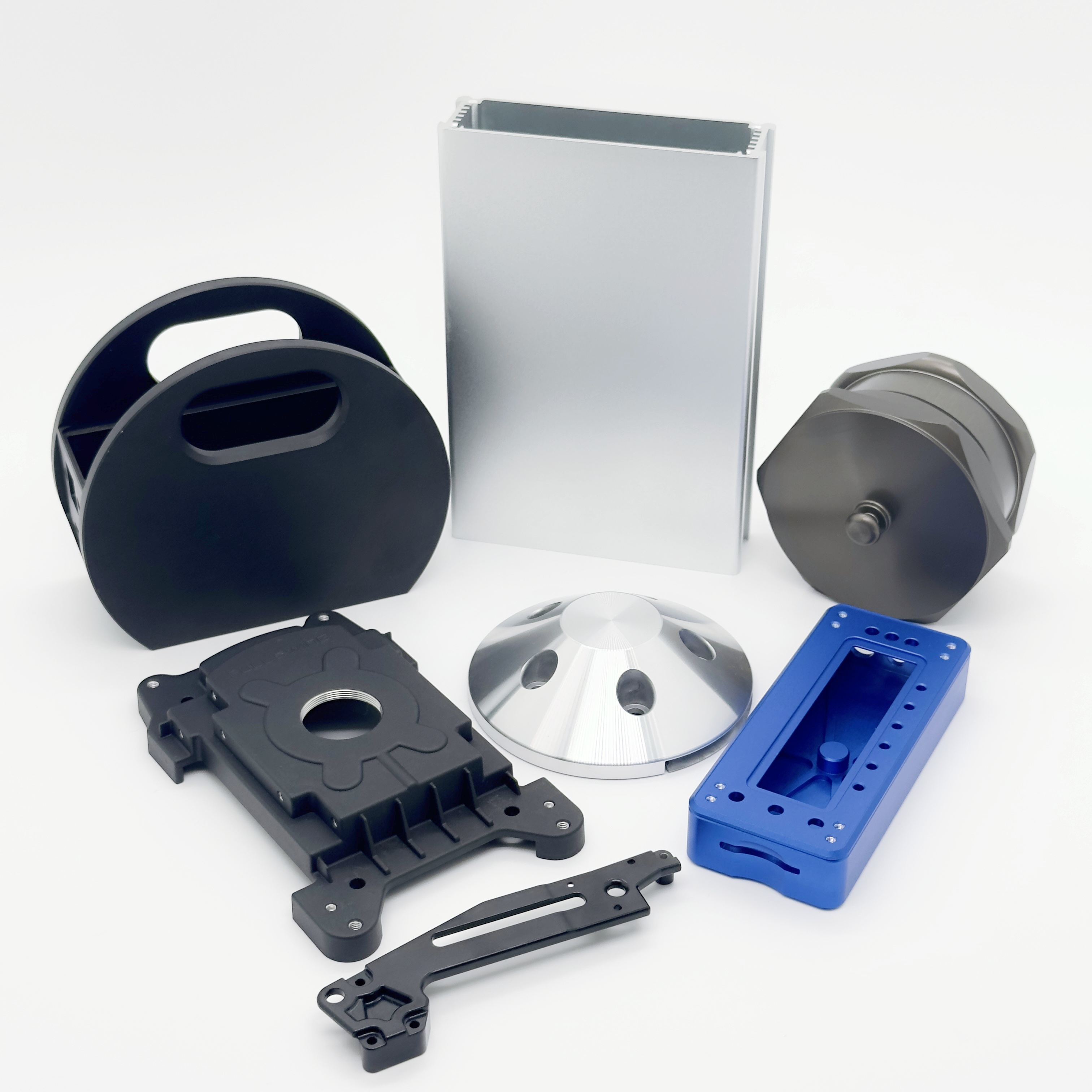
In precision metal manufacturing, producing a component with accurate dimensions is only part of the process. The final surface quality of a metal part can significantly affect its durability, functionality, appearance, and overall performance.
surface finishing is an essential post-processing step used to improve the properties of machined, cast, stamped, or fabricated metal components. Depending on application requirements, different finishing methods can enhance corrosion resistance, wear resistance, electrical performance, and visual appearance.
For industries such as automotive, aerospace, medical equipment, electronics, and industrial machinery, selecting the right surface finishing solution is critical for ensuring reliable product performance.
As a professional precision metal parts manufacturer, SUNPREC provides integrated manufacturing solutions including cnc machining, die casting, investment casting, extrusion, sheet metal fabrication, stamping, and various surface finishing services to meet different application requirements.
What Is Surface Finishing?
Surface finishing refers to a series of processes applied to metal parts after manufacturing to modify the surface characteristics of a component.
These processes can improve:
- Surface appearance
- Corrosion resistance
- Hardness
- Wear resistance
- Electrical conductivity
- Chemical resistance
- Product lifespan
Surface finishing is commonly applied to parts produced through:
- CNC machining
- Die casting
- Investment casting
- Extrusion
- Sheet metal fabrication
- Stamping
A suitable finishing process not only improves aesthetics but can also optimize the functional performance of metal components.
Why Is Surface Finishing Important for Metal Parts?
1. Improves Corrosion Resistance
Metal components exposed to moisture, chemicals, or outdoor environments may experience corrosion over time.
Surface treatments create protective layers that help prevent oxidation and environmental damage.
Common corrosion-resistant finishing methods include:
- Anodizing
- Electroplating
- Powder coating
- Passivation
For example, anodized aluminum parts are commonly used in electronics, automotive components, and outdoor equipment because of their improved surface protection.
2. Enhances Wear Resistance
Many industrial components experience friction, impact, or repeated mechanical movement.
Surface finishing can increase resistance against:
- Abrasion
- Scratches
- Friction
- Mechanical wear
This is especially important for:
- Machinery components
- Automotive parts
- Industrial tools
- Moving mechanical assemblies
A durable surface finish can extend the service life of components and reduce maintenance requirements.
3. Improves Product Appearance
For consumer-facing products and visible components, appearance plays an important role.
Surface finishing can provide:
- Smooth textures
- Uniform colors
- Premium appearance
- Decorative effects
Common appearance-focused finishing methods include:
- Polishing
- Brushing
- Anodizing
- Painting
- Powder coating
These treatments allow manufacturers to achieve both functional and aesthetic requirements.
Common Surface Finishing Methods for Metal Parts
Different applications require different finishing technologies. The following are some of the most widely used methods.
1. Anodizing
Anodizing is an electrochemical process commonly applied to aluminum parts.
During anodizing, a protective oxide layer forms on the metal surface.
Benefits include:
- Improved corrosion resistance
- Increased surface hardness
- Better wear resistance
- Decorative color options
Common applications:
- Aluminum housings
- Electronic components
- Automotive parts
- Precision mechanical components
Anodizing is especially popular for CNC machined aluminum parts because it maintains dimensional accuracy while improving surface performance.
2. Powder Coating
Powder coating applies a dry powder material onto the metal surface and cures it under heat.
Advantages include:
- Excellent durability
- Strong corrosion protection
- Wide color selection
- Environmentally friendly coating process
Powder coating is commonly used for:
- Machine frames
- Industrial equipment
- Metal enclosures
- Structural components
3. Electroplating
Electroplating uses an electrical process to deposit a thin metal layer onto a component surface.
Common plating materials include:
- Nickel
- Chrome
- Zinc
- Copper
Benefits include:
- Improved corrosion resistance
- Enhanced hardness
- Better electrical performance
- Decorative appearance
Electroplating is widely used for precision components requiring additional protection or specific surface properties.
4. Painting
Painting is one of the most common finishing solutions for metal components.
It provides:
- Color customization
- Surface protection
- Improved appearance
Painting is often used for:
- Equipment housings
- Sheet metal parts
- Industrial products
5. Sand Blasting and Bead Blasting
Blasting processes use abrasive materials to clean and texture metal surfaces.
Benefits include:
- Removing machining marks
- Creating uniform texture
- Improving coating adhesion
Bead blasting is frequently used for CNC machined parts where a consistent matte appearance is required.
Surface Finishing Selection Guide
Choosing the correct surface finishing method depends on several factors.
| Requirement | Recommended Finishing |
|---|---|
| Corrosion resistance | Anodizing, electroplating, powder coating |
| Decorative appearance | Painting, polishing, anodizing |
| Wear resistance | Hard anodizing, plating |
| Matte texture | Bead blasting |
| Electrical performance | Electroplating |
| Outdoor applications | Powder coating, anodizing |
Surface Finishing for Different Manufacturing Processes
CNC Machined Parts
CNC machining produces accurate components, but finishing can further improve:
- Appearance
- Surface roughness
- Corrosion resistance
Common options:
- Anodizing
- Polishing
- Brushing
- Plating
Die Casting Parts
Die-cast components often require finishing to improve:
- Surface appearance
- Protection
- Functional performance
Common treatments include:
- Powder coating
- Painting
- Machining
- Anodizing
SUNPREC provides die casting solutions with additional post-processing options to help customers achieve finished production parts.
Sheet Metal Parts
Sheet metal components frequently require finishing for:
- Improved durability
- Better appearance
- Environmental protection
Typical treatments include:
- Powder coating
- Painting
- Plating
How to Choose the Right Surface Finishing Process?
When selecting a surface finishing method, manufacturers should consider:
1. Material Type
Different materials require different finishing solutions.
Examples:
- Aluminum → anodizing
- Steel → plating or coating
- Stainless steel → polishing or passivation
2. Application Environment
Consider where the part will be used.
Factors include:
- Moisture exposure
- Temperature
- Chemicals
- Mechanical stress
Outdoor and industrial applications usually require stronger protective finishes.
3. Functional Requirements
Determine whether the priority is:
- Appearance
- Durability
- Conductivity
- Wear resistance
- Corrosion protection
The final application determines the best finishing choice.
4. Production Volume
For high-volume production, manufacturers should select finishing processes that provide:
- Consistent quality
- Efficient processing
- Stable costs
Why Choose SUNPREC for Metal Parts Manufacturing and Surface Finishing?
SUNPREC provides one-stop manufacturing solutions covering:
- CNC machining
- cnc turning
- Die casting
- Investment casting
- Extrusion
- Sheet metal fabrication
- Stamping
- Surface finishing
By combining machining capabilities with finishing services, SUNPREC helps customers reduce supplier coordination and achieve consistent quality from prototypes to production components.
The company supports customized metal part production for different industries with integrated manufacturing capabilities and quality control processes.
Conclusion
Surface finishing is a critical step in modern metal manufacturing. The right finishing process can significantly improve the durability, appearance, and performance of metal components.
Whether the goal is corrosion protection, improved wear resistance, enhanced appearance, or specialized surface performance, choosing the correct finishing technology helps ensure better product reliability.
By combining precision manufacturing processes with professional surface finishing capabilities, SUNPREC provides complete solutions for customers requiring high-quality custom metal parts.
Need professional metal parts manufacturing with customized surface finishing options? Contact SUNPREC's engineering team today for expert advice and a customized quotation.