

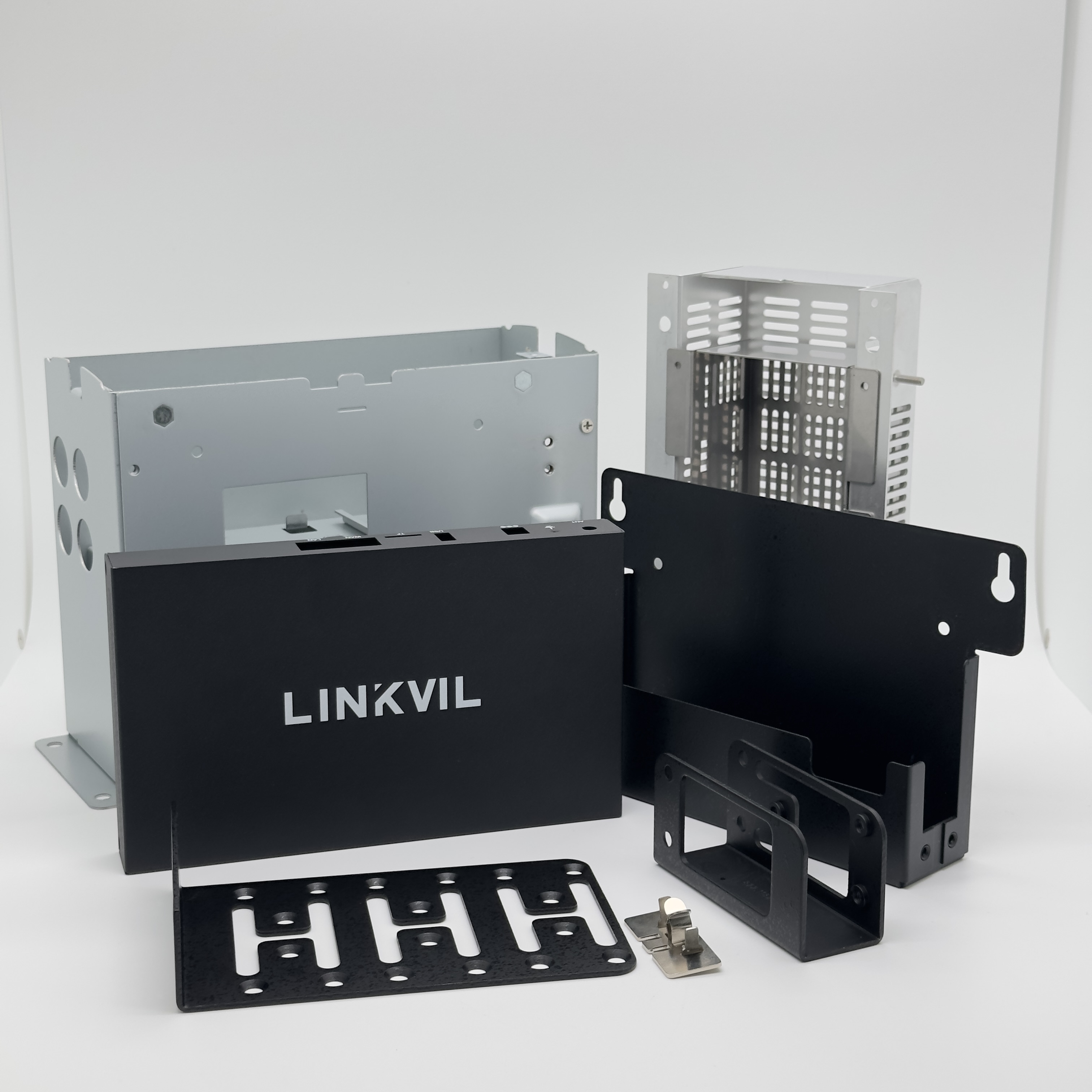
Sheet metal fabrication is one of the most widely used manufacturing methods for producing durable, lightweight, and cost-effective metal components across various industries.
From industrial equipment and automotive structures to electronic enclosures and precision assemblies, custom sheet metal fabrication enables manufacturers to transform flat metal sheets into functional components through cutting, bending, forming, welding, and finishing processes.
For companies requiring customized metal parts, selecting an experienced sheet metal fabrication supplier is essential to ensure dimensional accuracy, material performance, and consistent production quality.
As a professional precision metal parts manufacturer, SUNPREC provides comprehensive manufacturing solutions including cnc machining, die casting, extrusion, investment casting, sheet metal fabrication, stamping, and surface finishing services. The company supports customized metal component production for industries such as aerospace, medical devices, robotics, and industrial equipment.
What Is Custom Sheet Metal Fabrication?
Custom sheet metal fabrication is a manufacturing process that transforms flat metal sheets into customized components according to engineering drawings or CAD designs.
Unlike machining processes that remove material from solid blocks, sheet metal fabrication shapes thin metal sheets through various forming operations while maintaining material efficiency.
Common sheet metal fabrication processes include:
- Laser cutting
- Punching
- Bending
- Stamping
- Welding
- Rolling
- Assembly
- Surface finishing
This manufacturing method is widely used for producing:
- Metal enclosures
- Brackets
- Frames
- Panels
- Covers
- Structural components
- Industrial equipment parts
How Does the Sheet Metal Fabrication Process Work?
A typical sheet metal fabrication workflow includes several key stages.
1. Design and Engineering Analysis
The fabrication process begins with a 3D CAD model or technical drawing.
Engineers evaluate:
- Part dimensions
- Material selection
- Sheet thickness
- Bending requirements
- Assembly requirements
- Surface finishing needs
Design optimization at this stage helps reduce manufacturing costs and improve production efficiency.
Professional manufacturers can also provide Design for Manufacturing (DFM) suggestions to improve part manufacturability.
2. Sheet Metal Cutting
The first manufacturing step is cutting the metal sheet into the required shape.
Common cutting methods include:
Laser Cutting
Laser cutting uses a high-energy laser beam to create precise cuts.
Advantages:
- High accuracy
- Complex shape capability
- Clean cutting edges
- Minimal material waste
CNC Punching
CNC punching uses programmed tooling to create:
- Holes
- Slots
- Embossed features
- Custom patterns
Shearing
Shearing is suitable for straight cuts in larger sheet metal materials.
3. Sheet Metal Bending and Forming
After cutting, the sheet metal is shaped through bending and forming operations.
Common equipment includes:
- Press brakes
- CNC bending machines
- Rolling machines
Bending allows manufacturers to create:
- Angled brackets
- Enclosures
- Frames
- Structural parts
Accurate bending is important for maintaining assembly dimensions and product performance.
4. Welding and Assembly
For components requiring multiple pieces, welding and assembly processes are used.
Common welding methods include:
- TIG welding
- MIG welding
- Spot welding
These processes create strong joints for:
- Machine structures
- Industrial frames
- Metal assemblies
5. Surface Finishing
After fabrication, surface finishing improves appearance, durability, and corrosion resistance.
Common finishing options include:
- Powder coating
- Painting
- Anodizing
- Electroplating
- Bead blasting
Surface treatment helps extend the service life of sheet metal components used in demanding environments.
Common Materials Used in Sheet Metal Fabrication
Selecting the right material is important for achieving the required strength, durability, and performance.
Aluminum
Advantages:
- Lightweight
- Corrosion resistant
- Excellent machinability
- Good thermal conductivity
Common applications:
- Electronics housings
- Aerospace components
- Transportation parts
Stainless Steel
Advantages:
- High corrosion resistance
- Excellent durability
- Attractive appearance
Common applications:
- Medical equipment
- Food processing equipment
- Industrial components
Carbon Steel
Advantages:
- High strength
- Cost-effective
- Easy processing
Common applications:
- Machine frames
- Structural components
- Industrial equipment
Copper and Brass
Advantages:
- Excellent electrical conductivity
- Good corrosion resistance
Common applications:
- Electrical components
- Connectors
- Decorative parts
SUNPREC supports various metal materials for customized manufacturing projects, including aluminum, stainless steel, steel alloys, copper, brass, and other engineering materials.
Advantages of Custom Sheet Metal Fabrication
1. Cost-Effective Production
Sheet metal fabrication provides excellent material utilization compared with many traditional manufacturing methods.
Benefits include:
- Reduced material waste
- Efficient production processes
- Competitive manufacturing costs
2. Lightweight and Durable Components
Sheet metal parts provide a strong balance between weight and structural performance.
This makes them suitable for industries requiring:
- Strength
- Reduced weight
- Easy assembly
3. Flexible Design Options
Custom sheet metal fabrication supports a wide range of designs.
Manufacturers can produce:
- Simple brackets
- Complex assemblies
- Custom enclosures
- Precision structural parts
4. Suitable for Prototypes and Production
Sheet metal fabrication can support different production requirements.
It is commonly used for:
- Prototype development
- Small-batch production
- Medium-volume manufacturing
- Customized industrial components
Sheet Metal Fabrication Applications
Automotive Industry
Applications include:
- Vehicle brackets
- Structural components
- Battery-related components
- Protective covers
Electronics Industry
Applications include:
- Equipment enclosures
- Server cabinets
- Control boxes
- Protective housings
Industrial Equipment
Applications include:
- Machine frames
- Equipment panels
- Mechanical supports
- Custom assemblies
Medical Equipment
Applications include:
- Device housings
- Equipment structures
- Precision metal assemblies
Sheet Metal Fabrication vs CNC Machining
Both processes are important for custom metal manufacturing, but they are suitable for different applications.
| Feature | Sheet Metal Fabrication | CNC Machining |
|---|---|---|
| Material form | Metal sheets | Solid blocks or bars |
| Best for | Thin metal structures | Precision 3D components |
| Material waste | Lower | Higher |
| Production cost | Lower for large sheet parts | Higher for complex parts |
| Design focus | Bending and forming | Precision cutting |
Sheet metal fabrication is ideal for lightweight structures and enclosures, while CNC machining is better for highly precise mechanical components.
Sheet Metal Fabrication vs Metal Stamping
Sheet metal fabrication and stamping are both used for producing metal parts.
Sheet Metal Fabrication Advantages:
- Suitable for customized designs
- Lower tooling requirements
- Flexible production quantities
Metal Stamping Advantages:
- Faster production speed
- Lower cost for high-volume production
- Excellent repeatability
Choosing between them depends on:
- Production quantity
- Part complexity
- Material requirements
- Budget
How to Choose a Custom Sheet Metal Fabrication Manufacturer?
When selecting a supplier, consider:
Manufacturing Capability
A reliable supplier should provide:
- Cutting
- Bending
- Welding
- Stamping
- Surface finishing
- Assembly services
Quality Control
Important factors include:
- Inspection equipment
- Quality management systems
- Production consistency
Engineering Support
Professional suppliers should provide:
- DFM recommendations
- Material selection advice
- Process optimization
SUNPREC provides one-stop manufacturing capabilities covering sheet metal fabrication, CNC machining, die casting, investment casting, extrusion, stamping, and finishing processes.
Why Choose SUNPREC for Custom Sheet Metal Fabrication?
SUNPREC specializes in customized precision metal component manufacturing with integrated production capabilities.
The company provides:
- Custom sheet metal fabrication
- CNC machining
- Die casting
- Investment casting
- Metal extrusion
- Stamping
- Surface finishing
With a complete manufacturing workflow, SUNPREC helps customers simplify supply chains and achieve reliable quality from prototype development to mass production.
Conclusion
Custom sheet metal fabrication is a flexible and efficient manufacturing solution for producing durable metal components across multiple industries.
Through advanced cutting, bending, welding, forming, and finishing technologies, manufacturers can create customized parts that meet specific design and performance requirements.
For companies seeking reliable sheet metal fabrication services, choosing a supplier with comprehensive manufacturing capabilities can improve product quality, reduce production complexity, and accelerate project development.
Need customized sheet metal fabrication services for your next project? Contact SUNPREC's engineering team today for professional manufacturing support and a customized quotation.