

Introduction
Choosing the right precision metal parts manufacturer is one of the most consequential decisions in product development and supply chain management. The wrong supplier can lead to inconsistent part quality, missed delivery deadlines, and unexpected costs that ripple through your entire production timeline. The right one, however, becomes a long-term partner that supports your growth from prototype validation through full-scale production.
Many procurement teams focus first on price — and that is understandable. But price alone tells you almost nothing about whether a manufacturer can reliably produce your parts to specification, maintain quality across production batches, provide engineering support when designs change, or scale up when your demand increases. A competitive quote from a manufacturer who lacks the right equipment, experience, or quality systems is far more expensive in the long run than a fair quote from a qualified supplier.
This article outlines 10 essential questions to ask before selecting a precision metal parts manufacturer. Each question addresses a specific dimension of supplier capability — from manufacturing processes and material expertise to quality control and engineering support. By the end, you will have a framework for evaluating potential partners and making a confident, informed sourcing decision.
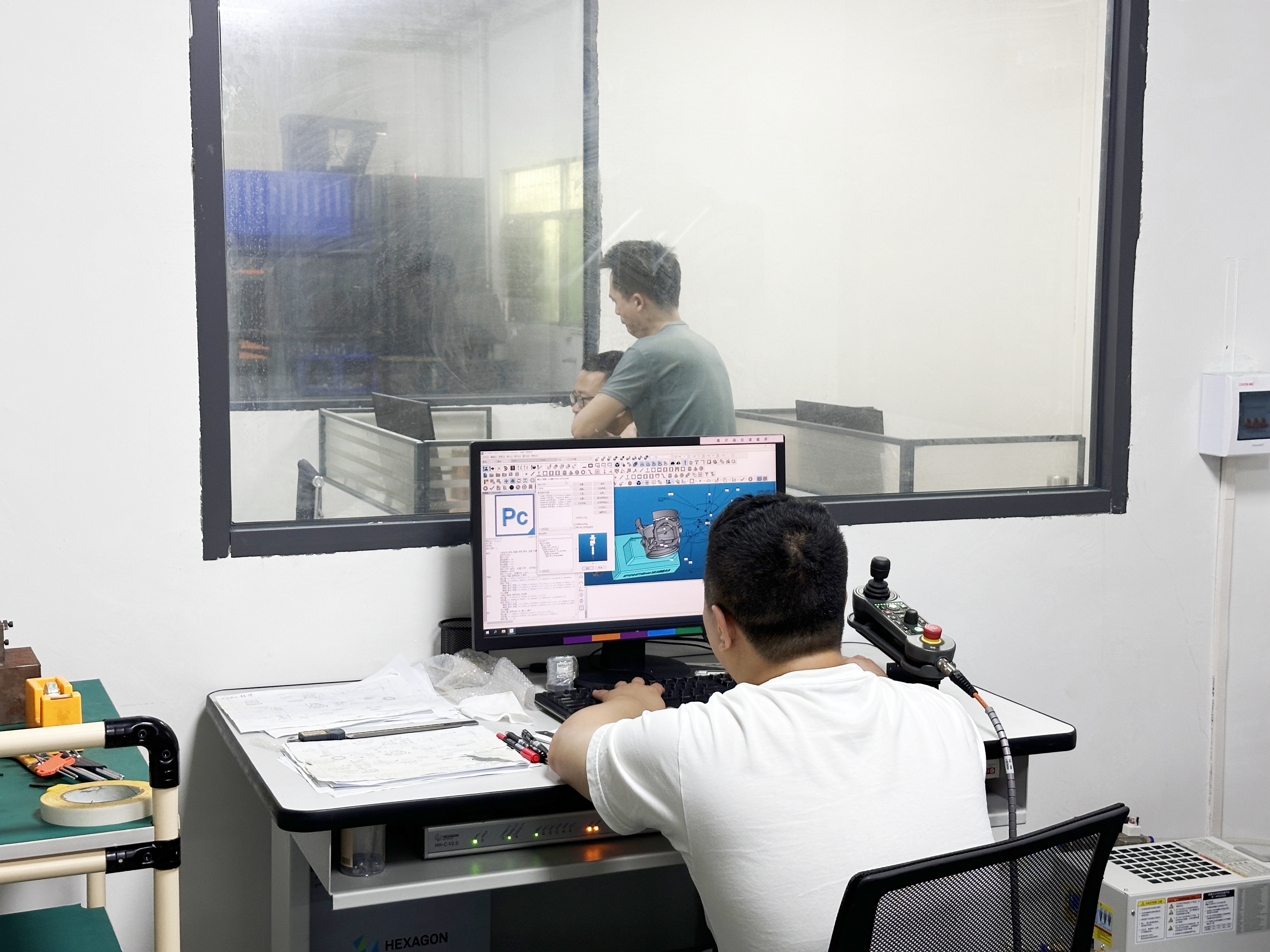
Engineering team reviewing custom metal components — capable manufacturers provide design and engineering support beyond basic machining.
1. What Manufacturing Processes Do You Support?
The first question cuts to the core of a manufacturer's capability. A custom metal parts manufacturer that operates only one or two processes may be a good fit for a narrow scope — but if your project requires multiple manufacturing methods, working with a single-process shop means you will need to coordinate across multiple suppliers. That introduces complexity: different lead times, different quality standards, and the risk that parts from different sources do not fit together as designed.
When evaluating a precision metal parts manufacturer, confirm whether they offer:
- cnc machining — milling and turning for precision components with tight tolerances
- die casting — high-volume production of complex aluminum and zinc alloy parts
- Extrusion — profiles for structural and thermal management applications
- investment casting — near-net-shape parts with excellent surface finish
- Sheet metal fabrication — enclosures, brackets, and chassis components
- Stamping — high-speed production of metal stampings and formed parts
- surface finishing — anodizing, plating, powder coating, and painting
A manufacturer with integrated multi-process capability can manage your entire project under one quality system, reducing supplier coordination overhead and improving consistency across different component types. At SUNPREC, our manufacturing floor covers all seven process categories, enabling us to support complex multi-process projects without outsourcing.
Multi-process manufacturing capability — a single supplier for CNC machining, die casting, extrusion, and finishing reduces coordination risk.
2. What Materials Can You Work With?
Material expertise is a differentiator that is easy to overlook during initial supplier screening. A manufacturer that machines aluminum all day may not have the process knowledge to hold tight tolerances on titanium or stainless steel. Each material behaves differently under the cutting tool: different cutting speeds, different tool wear rates, different thermal expansion characteristics, and different surface finish requirements.
Ask a prospective metal parts supplier to confirm their material experience across the following categories:
- Aluminum alloys — 6061, 7075, 5052, 2024, ADC12, A380
- Stainless steel — 304, 316, 316L, 17-4PH, 303
- Carbon steel — 1018, 1045, A36, 4140
- Brass and copper alloys — C360, C110
- Titanium alloys — Grade 2, Grade 5 (Ti-6Al-4V)
- Magnesium and zinc alloys
- Engineering plastics — PEEK, POM, PTFE, nylon
A manufacturer's material breadth signals two things: the range of projects they can support today, and the depth of process engineering knowledge they have accumulated. A shop with documented experience across multiple material families is more likely to optimize cutting parameters correctly for your specific alloy, recommend cost-effective material alternatives when appropriate, and anticipate potential machining challenges before they become production issues.
3. What Machining Accuracy and Tolerances Can You Achieve?
Do not settle for a vague answer like "we do high precision" or "our parts are very accurate." When you ask a precision metal parts manufacturer about tolerances, you should expect a specific, documented answer: what tolerance range they can achieve, on what materials, for what feature types, and under what production conditions.
A well-equipped CNC machining manufacturer should be able to articulate their tolerance capability in concrete terms. Standard CNC machining typically holds ±0.05mm to ±0.1mm. High-precision machining pushes this to ±0.01mm or tighter on specific features. The distinction matters because many functional dimensions — bearing bores, sealing surfaces, alignment pins — require tight tolerance control, while non-critical dimensions can use standard tolerances to reduce manufacturing cost.
Beyond the tolerance number itself, ask about the inspection method. A manufacturer who achieves their tolerances by "checking with calipers" is not providing the same level of dimensional verification as one who uses a Coordinate Measuring Machine (CMM) to generate a complete dimensional report against the CAD model. SUNPREC holds machining tolerances up to ±0.01mm on production parts, verified by in-house CMM inspection and documented in dimensional reports provided with every shipment.
4. What Quality Control Processes Do You Have?
Quality control in precision machining is not a single inspection step at the end — it is a system that spans the entire production workflow. A manufacturer with a mature quality system can catch deviations early, correct them before they affect downstream operations, and provide documented evidence that every part meets specification. A manufacturer without one relies on luck.
Ask your precision machining supplier to describe their quality workflow in detail. A credible manufacturer should describe at least three stages:
1. Incoming Material Inspection → Raw material certification verification, hardness testing, and dimensional checks before machining begins.
2. In-Process Inspection → Critical dimensions measured at programmed intervals during production — deviations flagged and corrected in real time.
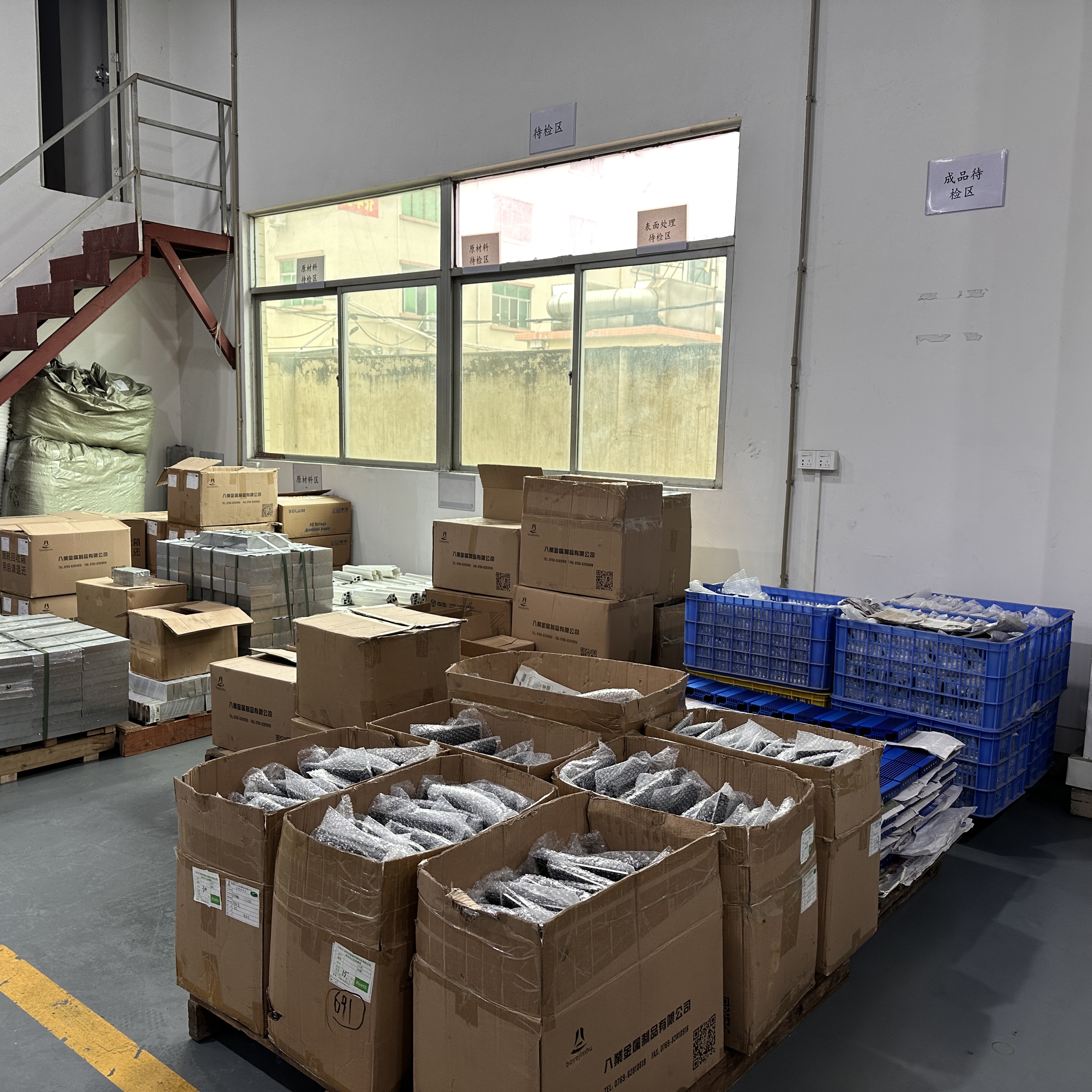
3. Final Inspection → Complete dimensional report against the drawing, surface finish verification, and visual inspection before parts ship.
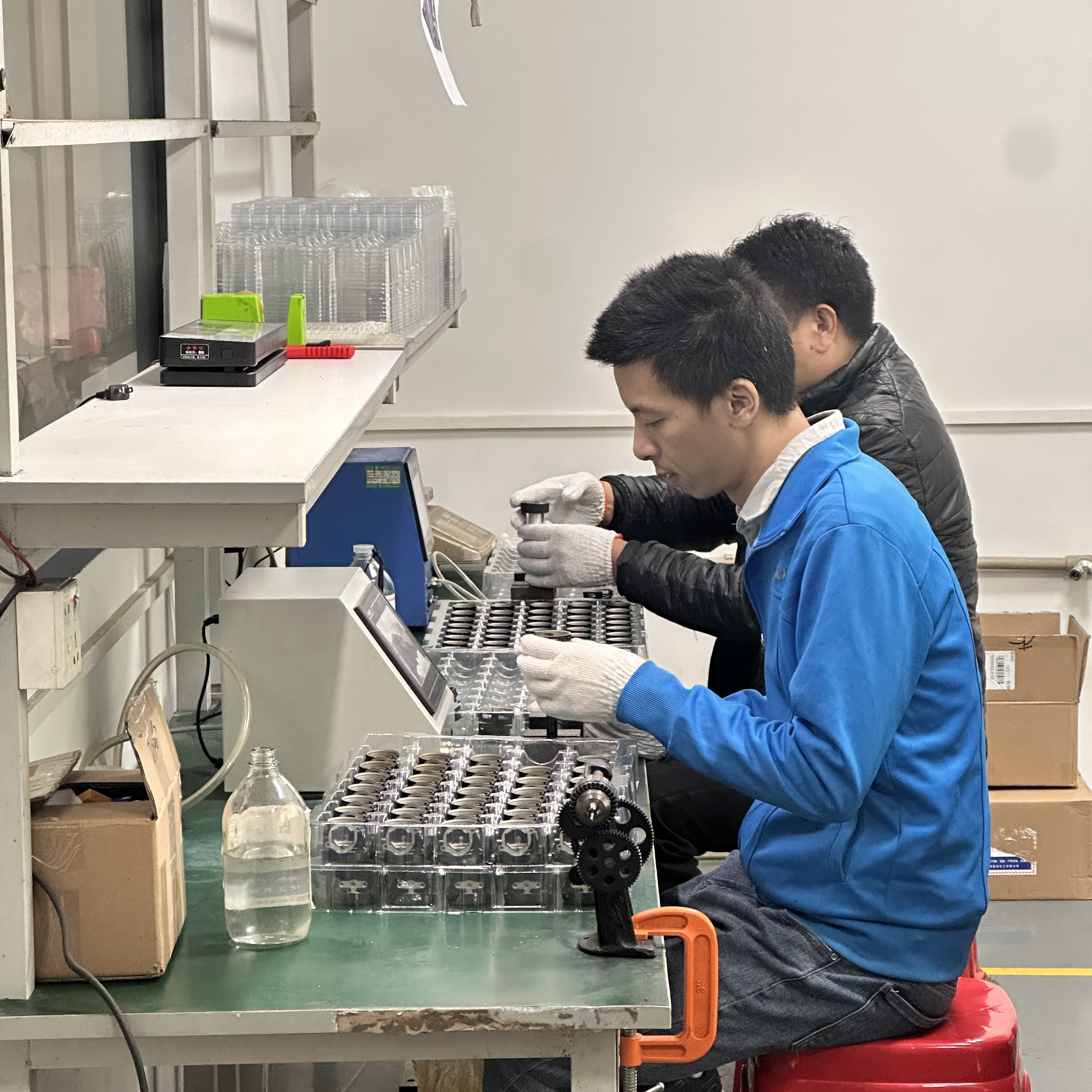
Also confirm the inspection equipment available. CMM capability is the gold standard for dimensional verification. Precision micrometers, height gauges, surface roughness testers, and calibrated hand tools round out a quality lab that can provide comprehensive part validation. SUNPREC operates under an ISO-certified quality management system with documented inspection procedures at every stage.
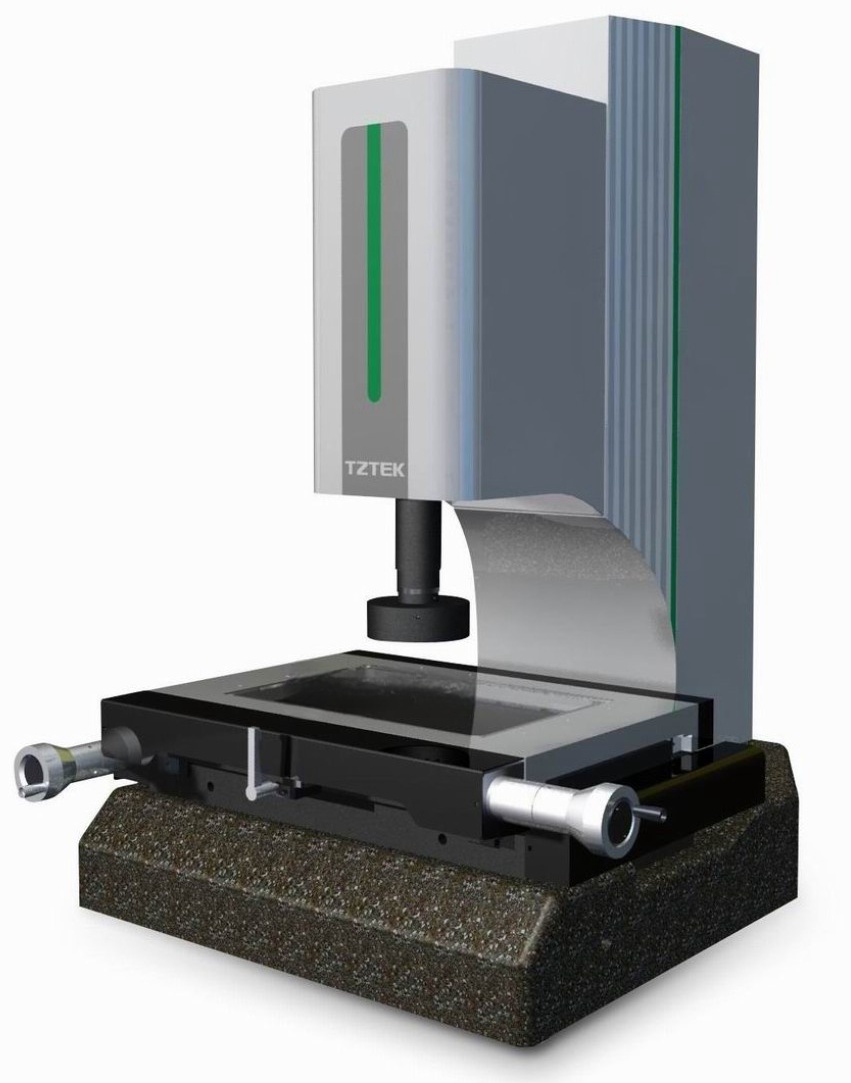
Precision measurement equipment at SUNPREC — in-house inspection capability is essential for verifying that every part meets its specified tolerances.
5. Can You Support Prototype and Mass Production?
One of the most frustrating experiences in manufacturing is finding a supplier who excels at prototypes but struggles with production consistency — or vice versa. The ideal precision metal parts manufacturer can support your project from the first prototype through full-scale production without requiring you to re-qualify a new supplier when volumes increase.
The prototype stage requires flexibility: fast turnaround, willingness to iterate on designs, and engineering feedback on manufacturability. The production stage requires consistency: repeatable quality across thousands of parts, stable lead times, and process controls that prevent batch-to-batch variation. These are different operational demands, and not every manufacturer is set up to handle both.
When evaluating OEM metal parts manufacturing partners, ask about their experience across volume ranges. Can they produce single-digit prototypes for design validation? Low-volume batches of 50–500 for pilot production? Production runs of 1,000–50,000+ for ongoing supply? A manufacturer who has successfully navigated this progression across multiple client projects brings institutional knowledge that reduces risk for your program. SUNPREC supports customers from prototype to production, serving 300+ clients across 50+ countries with consistent quality at every volume level.
Need a Reliable Precision Metal Parts Manufacturer?
Send your drawings or requirements. Our engineering team will assess your project and provide a detailed manufacturing proposal.
Request a Quote →6. Do You Provide Engineering and DFM Support?
Design for Manufacturability (DFM) feedback is one of the clearest indicators that you are working with an experienced custom machining services provider rather than a shop that simply runs parts as drawn. A manufacturer who provides DFM review is investing in your project's success before the first chip is cut.
Effective DFM support includes design review against machining capabilities, identification of features that are unnecessarily difficult or expensive to produce, suggestions for tolerance adjustments where specifications exceed functional requirements, and material recommendations that balance performance and cost. This feedback loop can reduce machining time, improve part quality, and lower unit cost — all without compromising the part's intended function.
Ask potential suppliers whether they offer engineering review as a standard part of their quotation process. A manufacturer who accepts drawings without questions may not be evaluating them critically enough. The best metal fabrication services providers treat the quoting stage as a collaborative engineering conversation, not a transactional price calculation.
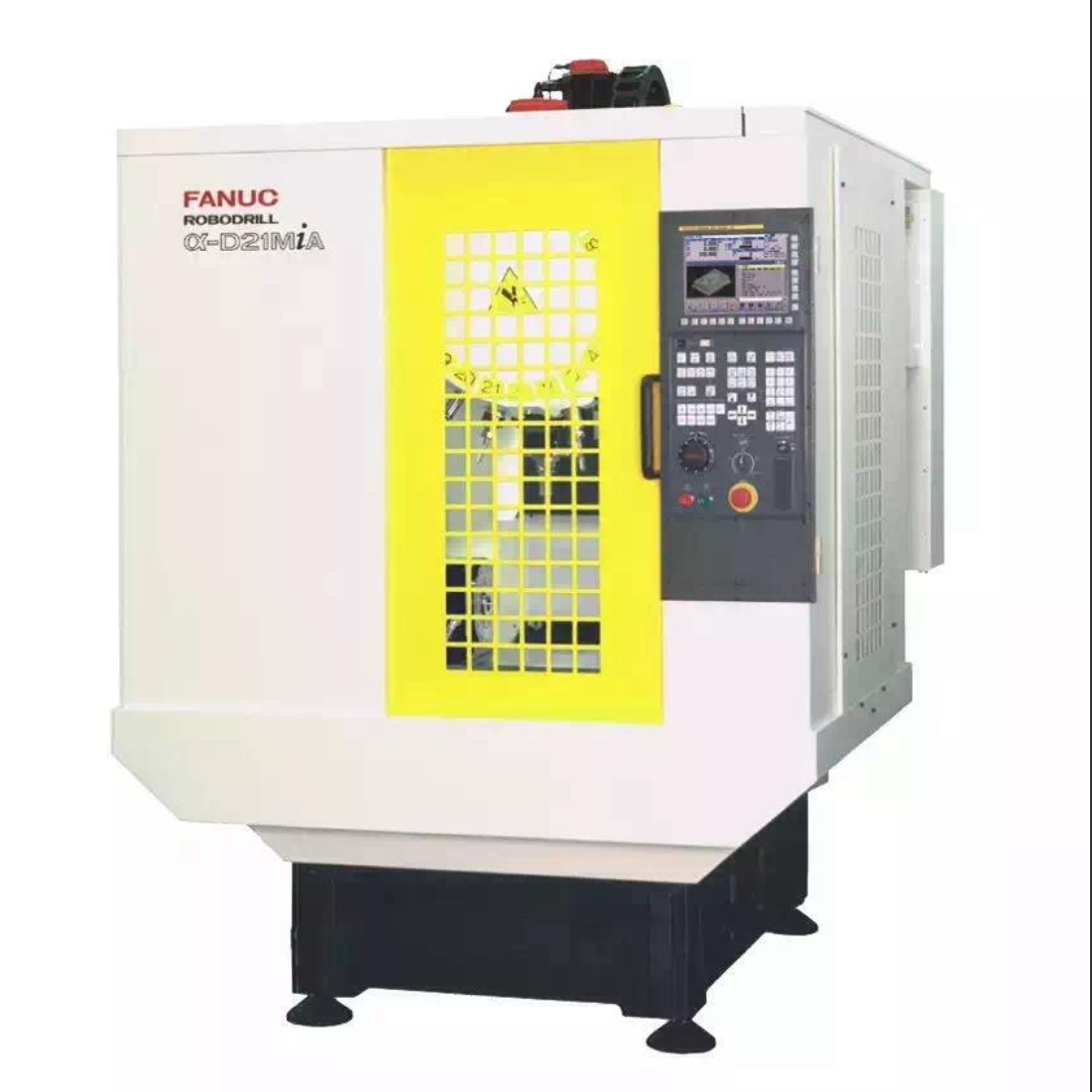
FANUC CNC machining centers at SUNPREC — precision machine tools and experienced engineering support combine for reliable manufacturing outcomes.
7. What Production Capacity and Lead Time Can You Provide?
Production capacity is not just about how many machines a manufacturer owns — it is about whether they have the available bandwidth to reliably meet your delivery schedule while serving existing customers. A supplier that quotes an attractive lead time but is already running at 95% capacity may miss your deadline when an unexpected delay occurs upstream.
When discussing capacity with a custom metal parts manufacturer, ask about their current utilization rate, their ability to prioritize urgent orders, and their track record for on-time delivery. A manufacturer should be able to provide realistic lead time estimates — not optimistic ones designed to win the order — and explain what factors could affect those estimates.
Capacity also matters for future growth. If your order volume doubles six months from now, can the manufacturer scale with you? Or will you need to qualify a second supplier and manage the complexity of dual sourcing? A precision metal parts manufacturer with adequate capacity cushion and experience scaling production volumes reduces this long-term supply chain risk.
8. What Surface Finishing Options Do You Offer?
Surface finishing is often treated as an afterthought in supplier evaluation — but it directly affects part appearance, corrosion resistance, wear performance, and, in some cases, dimensional fit. A metal parts supplier who offers in-house finishing can manage quality and lead time more effectively than one who subcontracts finishing to a third party.
Common surface finishing processes include:
- Anodizing — corrosion-resistant oxide layer on aluminum parts, available in clear, black, and custom colors
- Electroplating — zinc, nickel, and chrome plating for corrosion protection and aesthetic finish
- Powder coating — durable, chip-resistant finish for enclosures, brackets, and consumer-facing parts
- Painting — wet painting for custom colors and surface protection
- Polishing and brushing — cosmetic surface treatments for visible components
- Passivation — chemical treatment to enhance stainless steel corrosion resistance
Confirm whether finishing is done in-house or outsourced, what quality checks are performed on finished surfaces, and whether the manufacturer can provide finish samples for approval before production. An integrated supplier that controls both machining and finishing under one roof offers a smoother workflow and single-point accountability.
9. Can You Provide Quality Documentation and Certifications?
Documentation matters — especially in regulated industries where traceability is a compliance requirement. Automotive, medical device, aerospace, and industrial equipment manufacturers often require material certificates, dimensional inspection reports, and process documentation as part of every shipment. A precision machining supplier who cannot provide this documentation may not be prepared to serve these industries.
Ask about the following documentation capabilities:
- Material certifications — mill test reports confirming alloy composition and mechanical properties
- Dimensional inspection reports — CMM-generated measurement data mapped to drawing dimensions
- Surface finish reports — roughness measurements for critical surfaces
- Process certifications — documentation of special processes such as heat treatment, welding, or plating
- ISO certifications — evidence of a formal quality management system
SUNPREC maintains ISO-certified quality management and provides comprehensive documentation with every order — material certificates, dimensional reports, and inspection data — supporting full traceability from raw material to finished part.
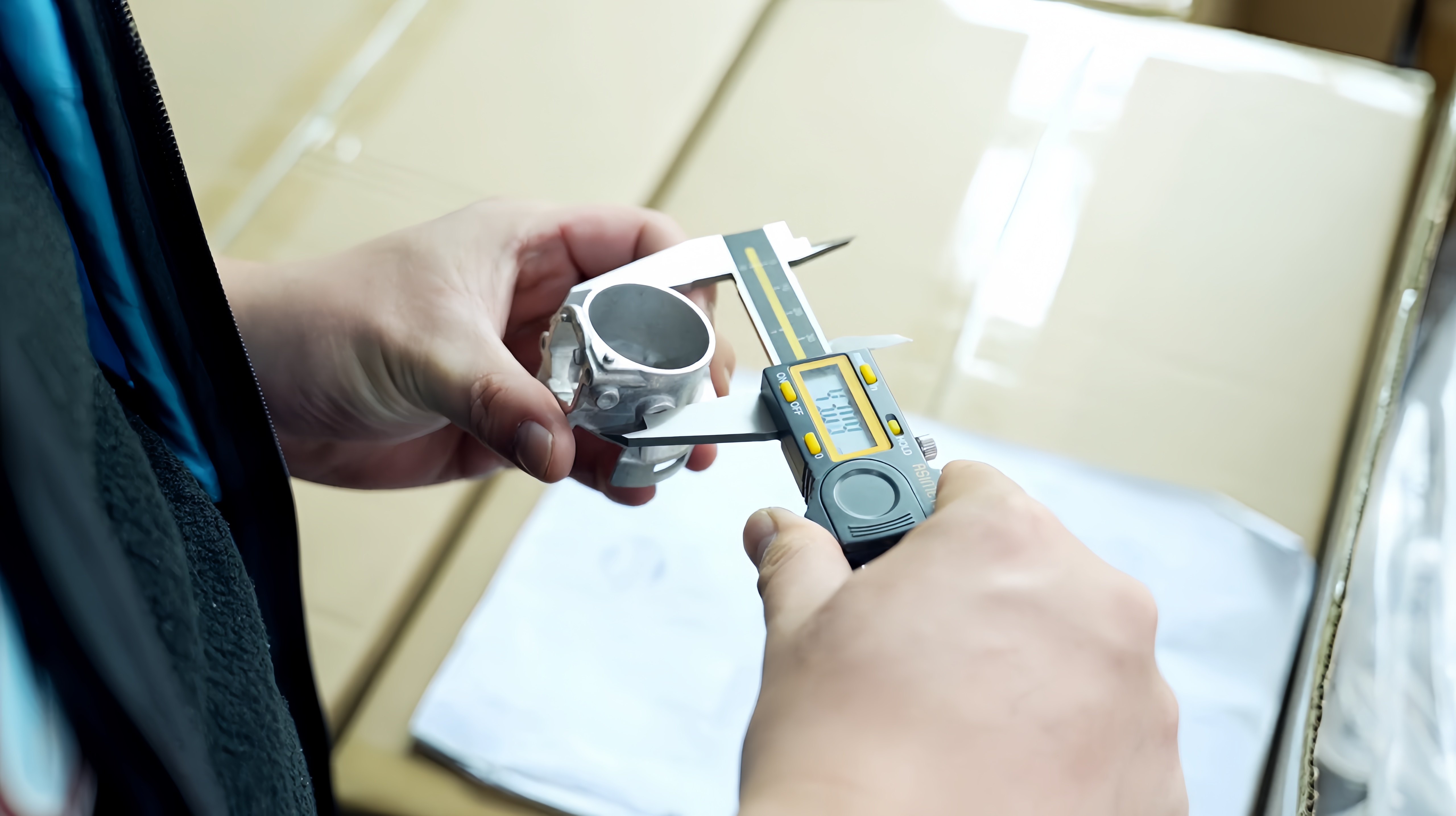
Quality inspection at SUNPREC — documented measurement procedures and calibrated equipment ensure consistent part quality.
10. How Do You Communicate During the Manufacturing Process?
For international buyers, communication quality is as important as manufacturing quality. A supplier who is slow to respond, unclear in their updates, or difficult to reach during production can turn a straightforward project into a stressful experience — even if the parts themselves are good.
When evaluating a precision metal parts manufacturer for a long-term partnership, assess their communication practices early. Do they provide regular project updates? Is there a dedicated point of contact for engineering and production questions? How do they handle issues that arise during manufacturing — do they proactively inform you and propose solutions, or do they try to resolve problems quietly and hope you will not notice?
Good communication includes production progress updates, advance notice of any schedule changes, engineering feedback when design issues are identified, and clear shipping and logistics information. A manufacturer who communicates transparently and responsively builds trust — and trust is the foundation of any successful OEM metal parts manufacturing partnership.
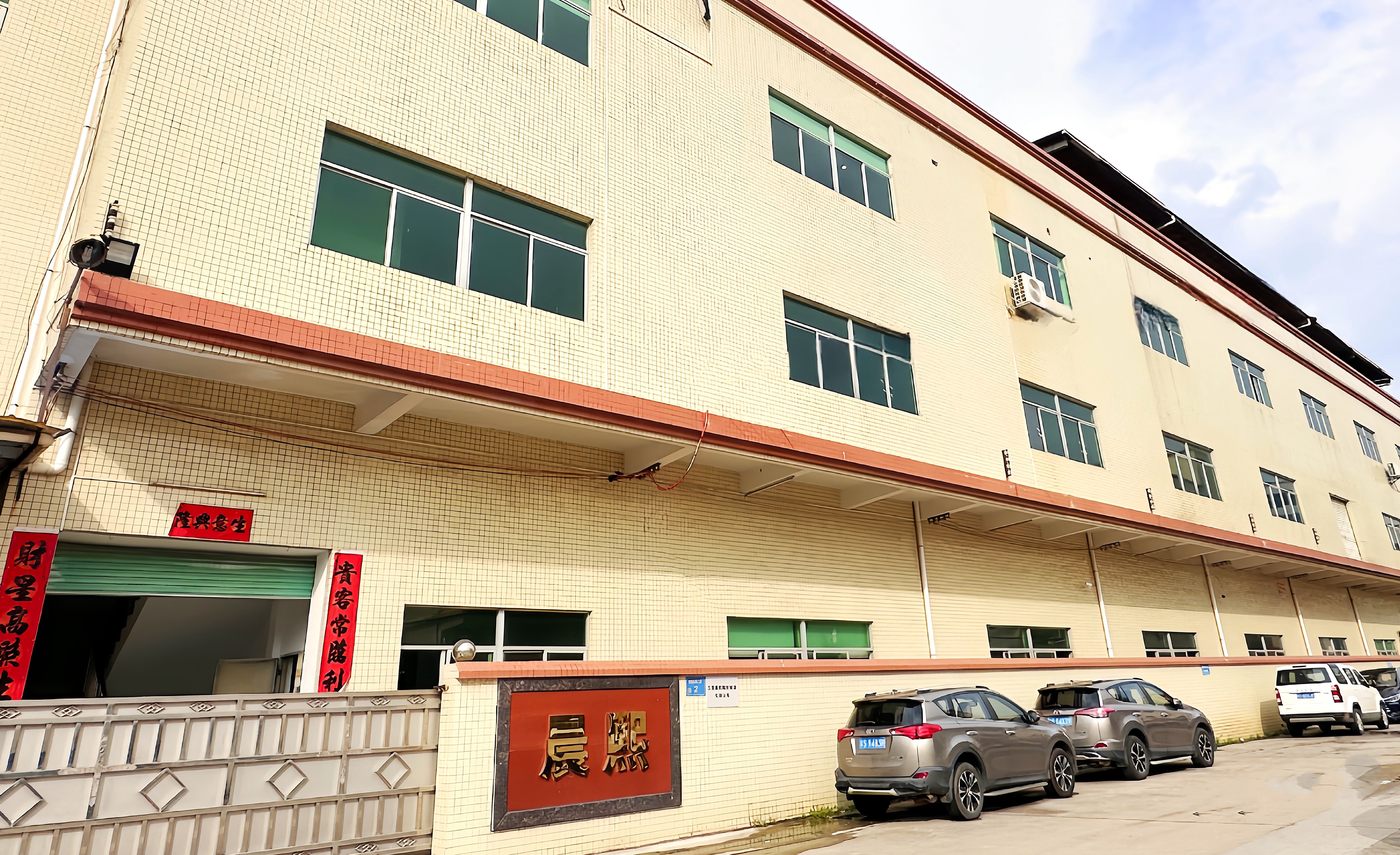
SUNPREC manufacturing facility — a reliable precision metal parts manufacturer with global logistics capability serving 50+ countries.
How SUNPREC Supports Global OEM Manufacturing Projects
When you ask these ten questions to SUNPREC, here are the answers you will receive. As an experienced precision metal parts manufacturer, we provide integrated manufacturing solutions under one roof — CNC machining, die casting, extrusion, investment casting, sheet metal fabrication, stamping, and surface finishing — from a single ISO-certified facility.
Our technical capabilities include machining tolerances up to ±0.01mm, verified by in-house CMM inspection equipment. We work with aluminum alloys, stainless steel, carbon steel, brass, titanium, magnesium, and engineering plastics — with documented experience and optimized process parameters for each material family. Our engineering team provides DFM review, tolerance analysis, and material recommendations as a standard part of the quotation process.
Our manufacturing scale supports projects from single-piece prototypes to 50,000+ part production runs, with consistent quality and on-time delivery across 300+ clients in 50+ countries. Whether you are developing a new product or scaling an existing one, we have the equipment capacity, quality infrastructure, and engineering expertise to support your program from concept to production — without requiring a supplier change when volumes grow.
Review additional manufacturing insights in our guide on CNC machining vs die casting, or visit our products page to explore our full range of manufacturing capabilities.
Frequently Asked Questions
Q1: How do I choose a reliable precision metal parts manufacturer?
Evaluate the manufacturer across multiple dimensions: manufacturing processes, material experience, tolerance capability, quality control systems, production capacity, engineering support, surface finishing options, documentation and certifications, and communication practices. Use the ten questions in this article as a structured evaluation framework. Price alone is not a sufficient criterion — a low-cost supplier without adequate quality systems or production consistency can cost far more in rework, delays, and supply chain disruption than a fairly priced, competent manufacturer.
Q2: What information should I provide when contacting a metal parts manufacturer?
To receive an accurate quotation, provide CAD drawings or 3D files (STEP, IGES, or native formats), material specifications, required quantities, tolerance requirements for critical features, surface finish requirements, and target delivery timeline. The more complete your information package, the more precise the manufacturer's quotation and DFM feedback will be. If you are early in development and do not have final drawings, share concept sketches or existing reference parts — an experienced supplier can provide preliminary guidance even at the concept stage.
Q3: What tolerance can precision metal parts manufacturers achieve?
Tolerance capability depends on the manufacturing process, part geometry, material, and the manufacturer's equipment and process control. CNC machining can achieve tolerances of ±0.01mm on precision features when executed on well-maintained, calibrated equipment with optimized cutting parameters. Die casting and casting processes typically achieve wider tolerances, in the ±0.05mm to ±0.2mm range depending on part size. Always confirm a manufacturer's tolerance claim by asking for documented capability data and CMM inspection reports for parts similar to yours.
Q4: Should I choose a manufacturer with multiple manufacturing processes?
Choosing an integrated manufacturer with multiple processes offers several advantages: single-point accountability for quality, reduced coordination overhead across suppliers, consistent quality standards applied to all component types, and simplified logistics. If your project involves parts that require different manufacturing methods — for example, CNC machined brackets plus die cast housings — working with one multi-process supplier eliminates the risk of parts from different vendors not fitting together correctly. It also simplifies your supplier management workload.
Q5: What certifications should a metal parts manufacturer have?
The specific certifications required depend on your industry and application. ISO 9001 is the most widely recognized quality management certification and is expected of any professional manufacturing operation. For medical device components, ISO 13485 may be required. For automotive, IATF 16949 is the standard. For aerospace, AS9100 applies. Even if your product does not require a specific industry certification, choosing a manufacturer with ISO 9001 certification provides confidence that documented processes, calibration procedures, and quality records are in place.
Find Your Precision Manufacturing Partner Today
Contact SUNPREC with your part requirements. Our team will respond with a detailed manufacturing assessment, capability evaluation, and quotation.
Contact SUNPREC Now →