

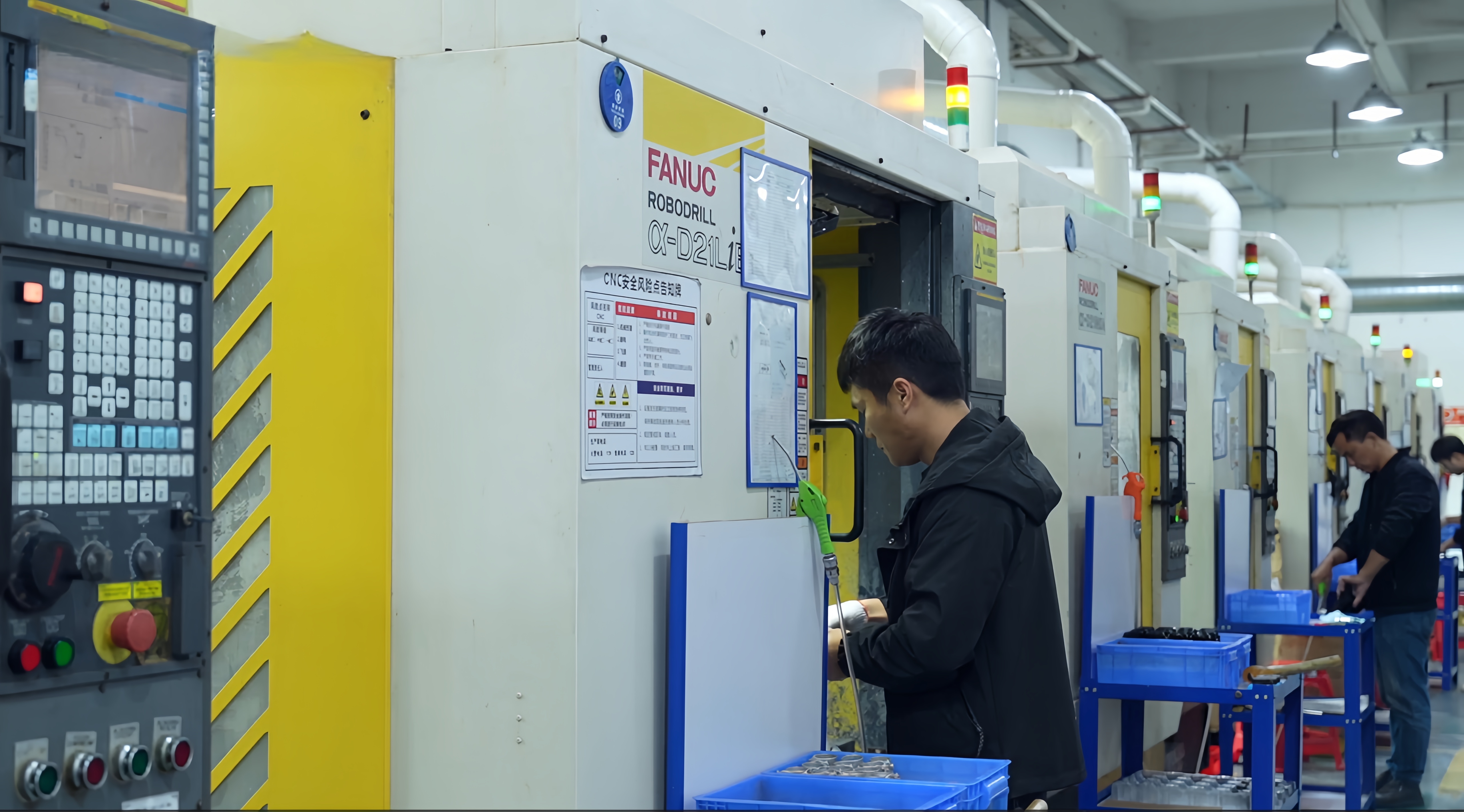
Introduction
Few industries stress metal components the way oil and gas does. Equipment operates under high pressure, in corrosive fluids, at temperature extremes, and often in remote locations where a failed part means days of downtime and a crew mobilized to replace it. From wellhead to refinery, precision-machined components — valves, pump parts, connectors, and instrumentation hardware — keep production flowing safely.
For buyers sourcing machined parts into this sector, the qualification bar is high and for good reason. This guide walks through the component types most often produced by cnc machining, the corrosion-resistant materials that define the industry, the testing and documentation that protect pressure integrity, and a practical checklist for selecting a supplier.
Why Oil and Gas Components Are Demanding
Four service conditions shape every material and process decision in this industry:
Corrosive media. Produced fluids carry chlorides, CO2, H2S, and injected chemicals that attack standard alloys. Components specified for "sour service" face sulfide stress cracking, a failure mode that ordinary stainless steels do not always resist — which is why material selection in this industry is a engineering decision with safety consequences, not a line-item on a quote.
Pressure and sealing. Valve seats, flange faces, and threaded connections must seal reliably through pressure cycles and thermal swings. Surface finish on sealing faces, flatness, and surface integrity are functional requirements — a scratch that would be invisible elsewhere becomes a leak path here.
Safety and regulation. Pressure-containing parts are designed to codes and verified through non-destructive testing and hydrostatic testing. Documentation — material certificates, heat-treatment records, NDT reports — travels with the parts and is audited years after shipment.
Lifecycle economics. Assets run for decades. A valve body machined today may need identical replacement seats and stems in ten years, which puts a premium on suppliers who can reproduce parts faithfully over long periods.
Common CNC-Machined Oil and Gas Components
CNC machining produces a large share of the flow-control and connection hardware in the industry:
Valve components. Bodies, bonnets, seats, stems, and balls for ball, gate, globe, and check valves. Many bodies start as castings or forgings and receive precision machining on sealing surfaces and threads — a hybrid route where castings provide the shape and machining provides the accuracy, as compared in this guide to investment casting vs CNC machining.
Pump and compressor parts. Housings, impellers, wear rings, and shafts. Rotating parts concentrate the tolerance challenges: running clearances, balance, and surface finish all affect efficiency and vibration, and shaft-type features are natural work for advanced CNC turning.
Flanges, fittings, and connectors. Weld-neck and blind flanges, unions, crossover adapters, and threaded connections. These look simple but carry the industry's tightest functional requirements — raised-face finish, gasket surface flatness, and thread accuracy defined by API standards.
Downhole and wellhead tool parts. Mandrels, slips, seats, and housings for completion tools and wellhead equipment, typically in high-strength alloys with strict traceability on every heat-treated lot.
Instrumentation hardware. Manifold blocks, sensor housings, and transmitter bodies — smaller parts where clean machining, correct thread forms, and corrosion-resistant finishes matter more than raw size.
One more distinction shapes sourcing: offshore and subsea service raises every requirement a level. Components see seawater exposure, higher pressures, and maintenance performed by ROV or diver rather than a shop crew. Remotely operated and deepwater applications typically demand the higher end of the material table below, tighter NDT coverage, and packaging that protects machined sealing faces through long logistics chains. Land and surface applications carry the same engineering logic with somewhat relaxed extremes — knowing where a component sits in this spectrum helps buyers brief suppliers accurately at the RFQ stage.
Materials for Corrosive, High-Pressure Service
Material selection is where oil and gas differs most from general industrial work. The table below summarizes the common machined-material families:
| Material | Service strength | Typical components | Machining notes |
|---|---|---|---|
| Carbon & low-alloy steels (e.g., 4140) | Strength for structural and pressure duty | Flanges, wellhead bodies, tool parts | Heat treatment before final machining; verify hardness |
| Stainless 316/316L | General corrosion resistance | Instrument bodies, mild-service fittings | Machines well; passivation recommended after machining |
| Duplex 2205 / Super Duplex 2507 | Chloride resistance with high strength | Valve bodies, pump housings, offshore fittings | Rigid setups and correct tooling; preserves the microstructure that gives the alloy its properties |
| Nickel alloys (Inconel 625/718, Monel 400) | H2S and high-temperature resistance | Sour-service trims, downhole parts, seals seats | Slow cutting, strong tooling management, higher machining cost |
| 17-4PH stainless | Strength plus moderate corrosion resistance | Stems, shafts, fasteners | Machine in solution condition, age to final hardness |
Two disciplines matter as much as the alloy itself. First, certified sourcing: material must arrive with mill test reports tied to the heat number, and the supplier must preserve that linkage to the shipped part — the foundation of traceability discussed in this guide to working with a certified metal part manufacturer. Second, heat-treatment control: many of these alloys reach their service properties only through controlled thermal processing, and the records must show actual furnace data, not just a specification reference.
Surface Treatment for Corrosion Protection
Machined surfaces in this industry are rarely left bare. Passivation restores the corrosion resistance of stainless steels after machining; electroless nickel and hard chrome plating protect wear surfaces; specialized coatings serve trim parts in sour service. Choosing among them is a functional decision tied to the service environment — the factors involved are explained in this guide to how surface finishing improves part performance and this overview of industrial surface finishing. Buyers should verify that finishing processes are qualified for the specified service, with thickness and adhesion records supplied per lot.
Dimensional Accuracy, Sealing Surfaces, and Pressure Integrity
Machining accuracy in this sector concentrates on three areas. Sealing surfaces — flange faces, valve seats, and metal-to-metal seals — need both dimensional accuracy and controlled surface roughness; where finish requirements exceed what turning or milling delivers, precision grinding finishes the surface. Bore and thread geometry on connectors must conform exactly to the governing standard, because a mismatched thread is a leak path. Concentricity and balance on rotating parts determine vibration and seal life in service.
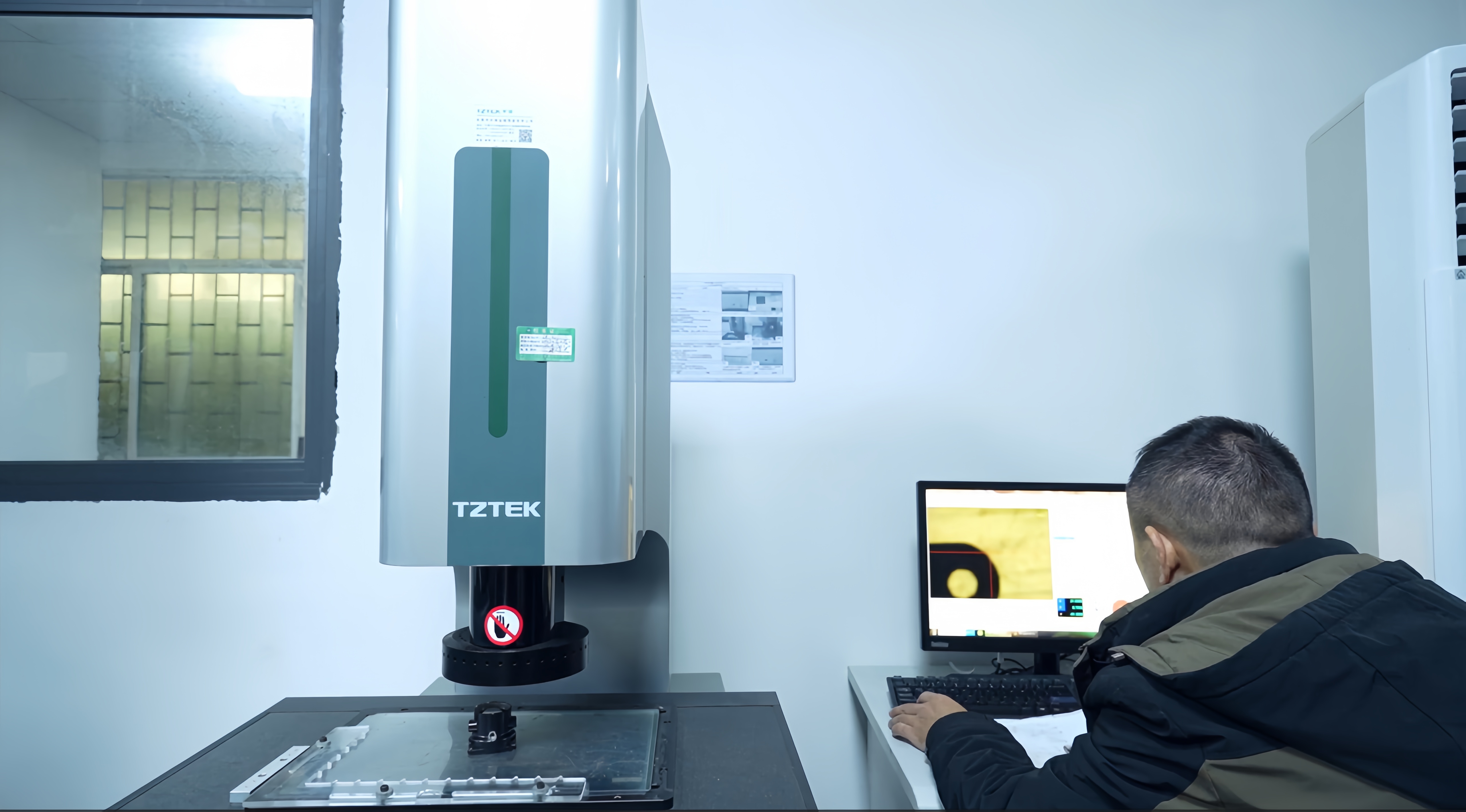 Documented inspection on calibrated equipment supports pressure-integrity requirements
On overall machine accuracy: well-maintained machining centers offer machine capability around ±0.005 mm, and finished features commonly reach accuracies near ±0.01 mm — always subject to part geometry, material, and fixturing, as explained in this guide to CNC machining accuracy. For pressure-containing parts, machining is only part of the story: hydrostatic or pneumatic testing verifies pressure integrity, and non-destructive testing (ultrasonic, radiographic, penetrant, magnetic particle) verifies material and weld soundness. Buyers should confirm which of these tests the supplier performs in-house versus through certified partners, and what records accompany each shipment.
Quality Documentation and Traceability
In oil and gas, the document package is part of the deliverable. A typical expectation set includes:
| Deliverable | Content | What it protects |
|---|---|---|
| Mill test reports (MTRs) | Chemistry and mechanical data tied to heat numbers | Material identity and sour-service compliance |
| Heat-treatment records | Furnace charts and hardness results per lot | Strength and toughness properties in service |
| NDT reports | Method, acceptance criteria, and results | Internal integrity of pressure-containing parts |
| Pressure test records | Test pressure, duration, and pass/fail | Leak-free performance at rated pressure |
| Dimensional report & CoC | Feature-by-feature results and certificate of conformance | Conformity without incoming re-inspection |
The underlying inspection discipline — calibrated instruments, defined acceptance criteria, structured reporting — is the same at any scale, as described in this guide to professional quality inspection service. During supplier qualification, ask for a redacted sample package from a comparable job; how completely it maps to the table above tells you most of what you need to know.
One practical habit worth adopting: review document packages before the first production order, not after it. Agreeing on report formats, acceptance criteria, and submission timing during qualification prevents the most common friction in this sector — good parts slowed down by paperwork that does not match the customer's filing requirements.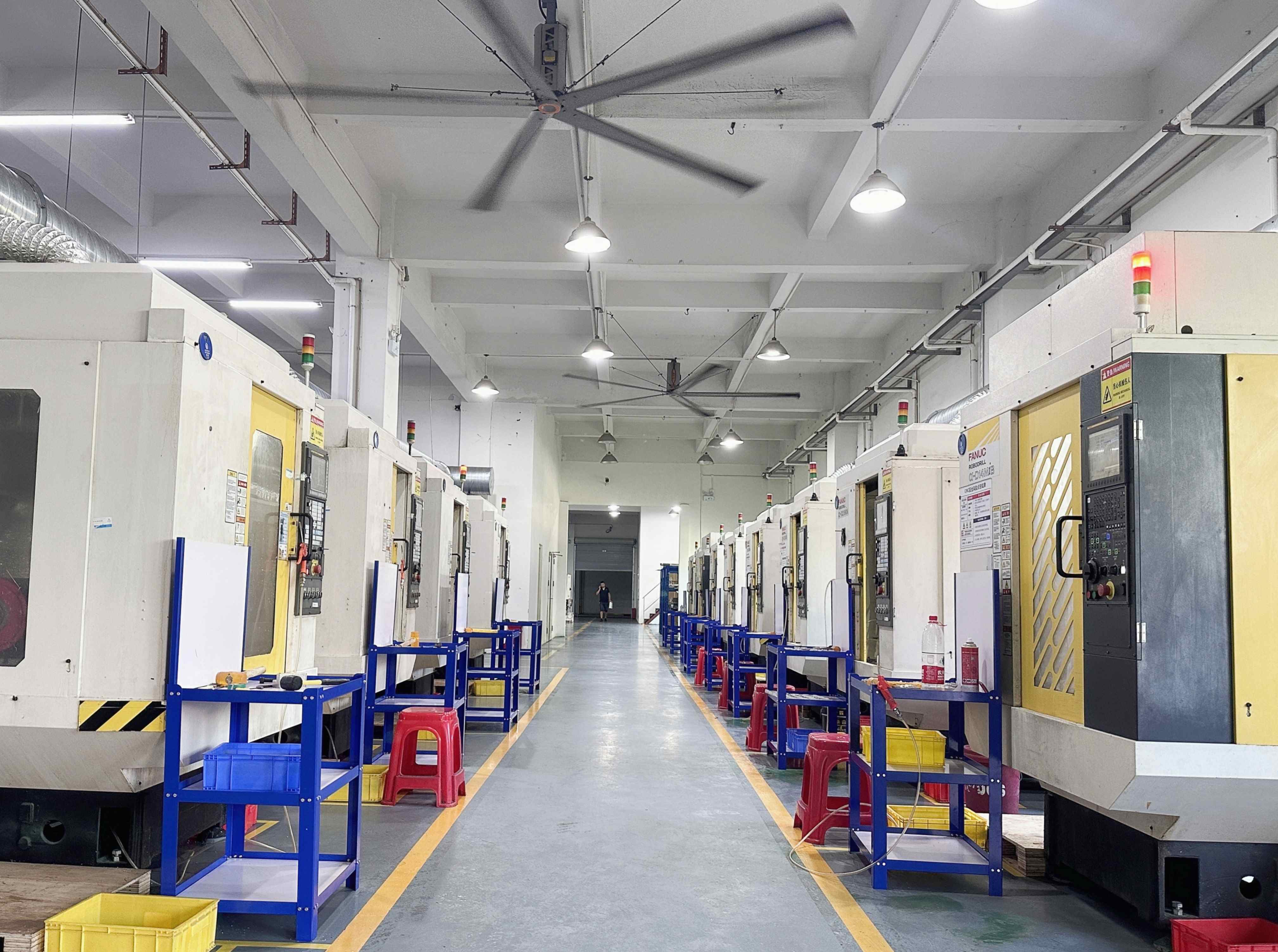 Organized production cells with lot control support full traceability from material to shipment
Supply Chain Considerations in This Sector
Oil and gas sourcing has a rhythm of its own. Specialty alloys often carry long lead times, which rewards suppliers who plan material ahead against a forecast instead of buying to order on every release. Program volumes swing — a tool package or turnaround consumes parts in bursts — so capacity flexibility matters as much as unit price. And the long service life of installed assets creates a steady stream of spare-part orders running years behind the original build, which favors suppliers who archive programs and keep processes frozen. Buyers weighing these factors across a supplier base will find additional structure in this guide to high-volume metal part production and this overview of global metal part supply for high-performance systems.
Blank sourcing deserves a note too. Many valve bodies, pump housings, and wellhead parts arrive at the machine shop as castings or forgings, and the quality ceiling of the finished part is set long before the first cut. A supplier who controls or audits its casting and forging sources — rather than buying blanks at the lowest price — removes an entire category of risk: porosity in a machined body, grain-flow problems in a forged connector, or heat numbers missing from a blank. Buyers can evaluate this directly by asking who supplies the blanks for a representative part and what verification happens at blank receipt.
How to Qualify an Oil and Gas Machining Supplier
Six checks separate sector-capable suppliers from general precision shops:
1. Corrosive-alloy experience. Ask which duplex, super duplex, and nickel-alloy parts the shop regularly machines, and what tooling and parameter discipline it applies. These alloys punish casual machining.
2. Material control. Verify heat-number traceability, lot separation in storage, and MTR handling. Ask how a shipped part is linked back to its certified heat.
3. Sealing-surface capability. Discuss finish and flatness control on flange faces and seats, including grinding or lapping where specified.
4. Testing access. Confirm in-house versus partner capabilities for hydrostatic testing and NDT, and review sample reports.
5. Documentation quality. Review a complete deliverable package — MTRs, treatment records, NDT, dimensional report, CoC — for completeness and clarity.
6. Program longevity. Ask how spares are handled years after the original order; the answer reveals whether the supplier runs a controlled lifecycle or rebuilds knowledge each time. The broader questions in this checklist before choosing a metal parts manufacturer and this guide to choosing a reliable CNC machining manufacturer complete the picture.
One Partner for Demanding Flow-Control Components
SUNPREC (Sunprec Hardware Co., Ltd.) supports oil and gas applications with precision CNC machining, investment casting, and surface finishing under one roof — an ISO-certified quality management system, complete material traceability, and machining centers with machine-level capability on the order of ±0.005 mm. From valve and pump components to connector hardware, we machine to drawing with the documentation your program requires, as outlined on our oil and gas solutions page and the capability page.
Send us your drawings for a detailed quotation and DFM review — we will confirm the machining route, finishing plan, and documentation package for each part before production begins.
Conclusion
Oil and gas rewards suppliers who treat material, machining, testing, and documentation as one connected system. The alloys are harder, the tolerances concentrate on sealing surfaces, and the paperwork travels with the parts for decades. For buyers, qualification conversations should focus on corrosive-alloy experience, traceability discipline, and testing access — the specifics that predict how a component will behave in service, not just on a quote sheet.
Need Machined Components for Oil and Gas Service?
Send your drawings to SUNPREC for a detailed quotation and DFM feedback — with full material traceability and documentation.
Request a QuoteFAQ
Why are duplex and super duplex steels so common in oil and gas components?
They combine chloride corrosion resistance with roughly double the strength of standard austenitic stainless steels, allowing thinner, lighter pressure components. The trade-off is stricter machining and heat-treatment control — the alloy's properties depend on maintaining the correct microstructure.
What does "sour service" mean for machining suppliers?
It means the component will contact H2S-bearing fluids and must resist sulfide stress cracking. Material selection, hardness limits, and heat-treatment control all follow the governing requirements, and every heat-treated lot needs verifiable records. Suppliers should confirm the applicable requirements before quoting.
What tolerances can CNC machining hold for valve and flange components?
Machine capability on well-maintained centers is around ±0.005 mm, and finished features commonly reach accuracies near ±0.01 mm. Sealing faces also require controlled surface roughness and flatness, which may call for grinding or lapping after machining. Confirm requirements feature by feature against the drawing.
Which tests verify pressure integrity?
Hydrostatic or pneumatic pressure testing verifies leak-tightness at rated pressure; non-destructive testing — ultrasonic, radiographic, penetrant, or magnetic particle — verifies internal soundness of material and welds. Which tests apply depends on the component class and the governing standard.
Why is material traceability emphasized so heavily in this industry?
Pressure-containing components are audited and verified across decades of service. Traceability from the mill heat number through heat treatment, machining, and testing lets operators confirm material identity and investigate any field issue — it is a core deliverable, not a formality.
How do I get a quote for oil and gas machined parts?
Provide drawings, material specification and service conditions, applicable standards, quantities, and the documentation package required. The more completely the service environment is described, the more accurate the material and process recommendations will be — the checklist in these questions before choosing a metal parts manufacturer helps structure the RFQ.