

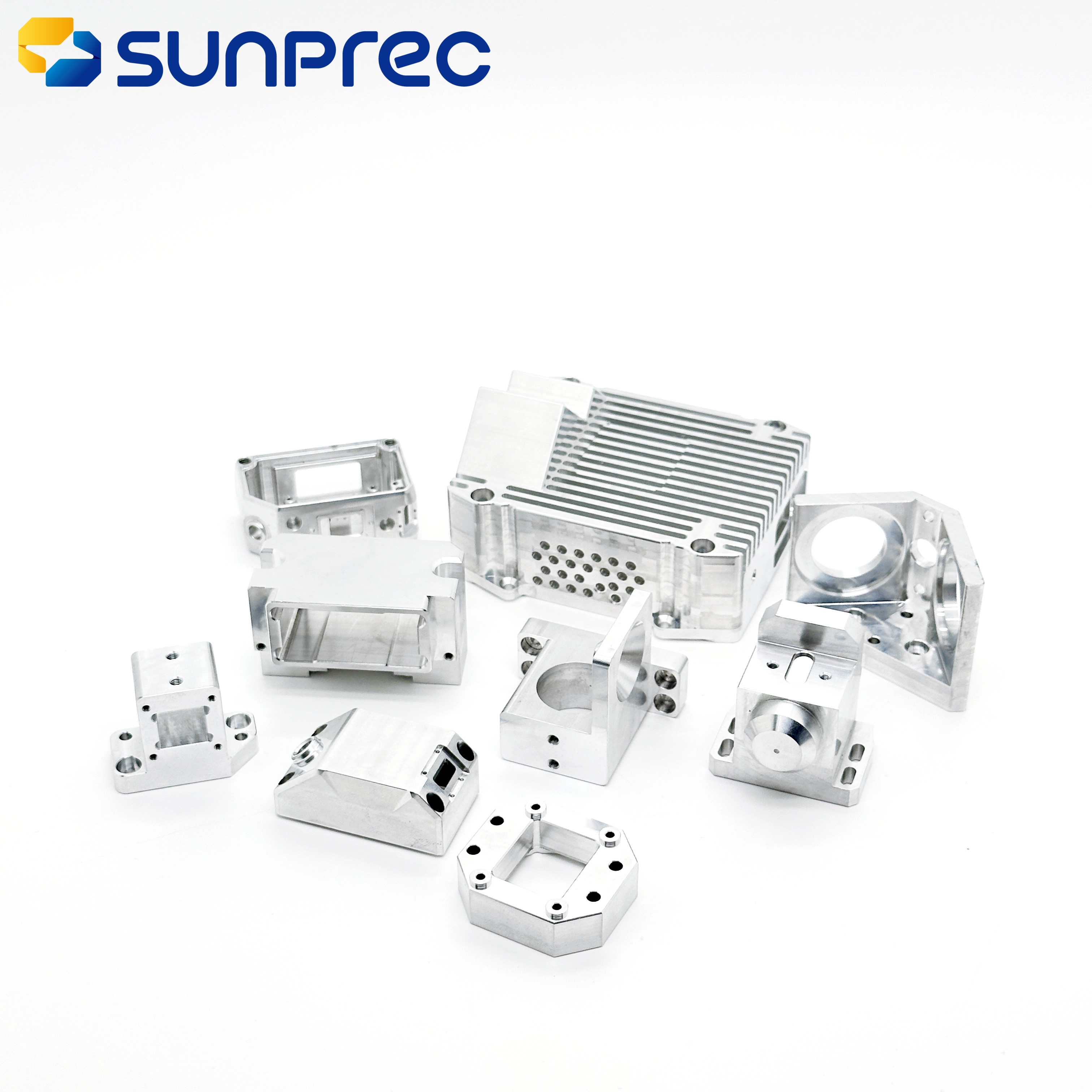
Medical devices leave no room for "close enough." A surgical instrument that binds at the joint, a spinal instrumentation component that is off by a few hundredths of a millimeter, or a diagnostic analyzer housing with misaligned optical mounts can each turn a sound design into a field failure — and in this industry, a field failure can become a patient safety event. This is one of the reasons cnc machining for medical devices has become so central to the industry: it holds tight tolerances reliably, handles the biocompatible and hard-to-machine materials medical design favors, and moves from design change to finished part without dedicated tooling.
This guide explains how cnc machining is used across medical device manufacturing: which components are typically machined, which materials the industry relies on, what tolerances and surface requirements actually matter, how quality and traceability are documented, and how to evaluate a machining partner for medical components. For the underlying process fundamentals, start with this overview of precision CNC machining for custom metal parts.
Why Precision Matters More in Medical Manufacturing
Medical components face three pressures at once. The first is safety: features on surgical and instrumentation parts interact with tissue, sterilization cycles, and other devices, so an out-of-spec edge, burr, or surface can have consequences beyond a cosmetic defect. The second is miniaturization: devices keep getting smaller, which means thinner walls, deeper cavities, and features measured in fractions of a millimeter — exactly where machining errors concentrate. The third is regulatory repeatability: once a device design is approved, every production lot must match it, and the manufacturer must be able to prove that it does.
The consequence is that in medical manufacturing, a supplier's quality system is part of the product. In consumer goods, a dimensional deviation is a return; in a medical device, the same deviation can trigger a complaint investigation, a recall, or a regulatory finding. This is why medical OEMs audit suppliers and treat inspection records as deliverables, not paperwork afterthoughts.
Precision also has a commercial dimension. Medical product development runs on long approval timelines, and late-stage design changes are expensive. A machining partner who holds tolerances on the first prototypes, gives honest DFM feedback early, and then reproduces the approved design consistently for years removes risk from the entire program.
Common CNC-Machined Components in Medical Devices
Across the medical field, CNC machining appears wherever a part needs tight tolerances, complex geometry, or a material that casting and forming processes cannot handle economically. The most common component families are below. For the capabilities behind them, see SUNPREC's CNC machining services.
Surgical Instruments and Handheld Tools
Forceps, scissors, retractors, instrument tips, handles, and quick-connect fittings are classic CNC work: stainless steel bodies, fine knurled grip patterns, precisely ground edges, and compact assemblies that must survive hundreds of sterilization cycles. Machining supports both the instrument itself and the repair and replacement parts that keep instrument sets in service.
Orthopedic and Spinal Instrumentation
Bone screws, plates, reamers, drill guides, trial instruments, and the instrumentation sets that accompany hip and knee systems rely on CNC machining for complex contours, clean threads, and smooth surfaces in titanium and stainless steel. One note on scope: permanent implantable devices are manufactured under stricter regulatory controls than general instrumentation, so when sourcing in this category, confirm what a supplier is actually certified and experienced to produce — the distinction matters.
Diagnostic, Imaging, and Laboratory Equipment
Analyzer housings and manifolds, optical mounts, sensor bodies, sample-handling parts, and motion components for laboratory automation are typically machined from aluminum and anodized for corrosion resistance. Here the driver is often alignment: optical and fluidic subsystems only perform if their mounting features are positioned accurately and repeatably.
Dental and Drug-Delivery Components
Dental handpiece components, surgical kit trays and guides, and instrument families for implant dentistry are frequently machined in small-to-medium volumes. Drug-delivery hardware — pump components, valve seats, dosing mechanisms, and fluid manifolds — adds another requirement: smooth internal passages and burr-free edges so that media flow and cleaning behave predictably.
Enclosures and Electronic Housings
Handheld device housings, control-unit enclosures, and heat-dissipating components for medical electronics round out the list. These parts combine cosmetic surfaces, sealing features, and connector interfaces, which makes them a good example of why machining and finishing need to be planned together rather than as separate afterthoughts.
Materials for Medical CNC Machining
Material selection in medical devices is driven by biocompatibility requirements, sterilization exposure, mechanical loads, and — increasingly — by how predictably a material machines. The most common families are summarized below.
Stainless Steels
Austenitic grades such as 304 and 316/316L are the workhorses for instruments and equipment components, chosen for corrosion resistance and cleanability. Precipitation-hardening grades such as 17-4 PH add higher strength and hardness where wear resistance matters, such as instrument jaws and moving mechanisms. Stainless machines predictably, which supports tight, repeatable tolerances.
Titanium and Titanium Alloys
Ti-6Al-4V is favored where biocompatibility, high strength-to-weight ratio, and low elastic modulus matter. It is also a genuinely demanding machining material: it work-hardens, heats up at the cutting edge, and punishes dull tooling. Suppliers who run titanium routinely plan for rigid setups, controlled speeds and feeds, and disciplined tool replacement — ask about this specifically when evaluating partners.
Aluminum Alloys
6061 and 7075 dominate equipment-side components: housings, manifolds, optical mounts, and automation parts. Aluminum machines quickly and accepts anodizing well, which makes it cost-effective for enclosures and structural parts. Note that aluminum is used for equipment and instrumentation far more often than for implantable hardware — material selection should always follow the intended application and regulatory requirements.
Engineering Plastics
PEEK, PEI (Ultem), acetal, and similar high-performance polymers appear in sterilization trays, insulating components, wear parts, and handles. Machining plastics is a different discipline from machining metal: heat buildup, tool geometry, and fixturing pressure all need managing to avoid distortion and internal stress.
| Material | Why It Is Used | Typical Medical Applications | Machining Notes |
|---|---|---|---|
| Stainless 304 / 316L | Corrosion resistance, cleanability, sterilization compatibility | Surgical instruments, equipment parts, fluid fittings | Predictable machining; watch work-hardening on low feeds |
| Stainless 17-4 PH | Higher strength and hardness after heat treatment | Instrument jaws, moving mechanisms, wear components | Machine before or after aging per design; abrasion management |
| Titanium Ti-6Al-4V | Biocompatibility, strength-to-weight, low modulus | Instrumentation, orthopedic-related hardware, high-performance parts | Heat control and rigid setups; sharp tools and disciplined replacement |
| Aluminum 6061 / 7075 | Lightweight, fast machining, accepts anodizing | Housings, manifolds, optical mounts, automation parts | Cost-effective; plan anodizing thickness into tolerances |
| PEEK / PEI (Ultem) | Sterilizable, insulating, chemical resistance | Trays, insulators, wear parts, handles | Heat and clamping management to avoid distortion |
| Cobalt-chrome alloys | High wear resistance and strength | Specialized instrumentation and wear surfaces | Hard material; abrasive tooling and longer cycles |
One requirement spans every material: traceability. Medical components should be made from material that arrives with mill certificates, and the supplier should be able to connect a finished lot back to its certified raw-material source.
Tolerances, Surface Finish, and Cleanliness
Medical drawings often specify tighter tolerances than their industrial counterparts, but a disciplined approach distinguishes features that genuinely need tight control — sealing surfaces, mating interfaces, optical mounts, fluid passages — from those that do not. Over-tolerancing every dimension raises cost without adding safety, so expect a capable supplier to discuss tolerance strategy per feature rather than blanket-tightening everything. For how capability claims should be read, see this guide to CNC machining accuracy.
On capability figures: SUNPREC's website states CNC machining precision of approximately ±0.01 mm, with some FANUC machining centers specified at a machine tolerance of approximately 0.005 mm. These numbers describe machine capability on suitable features — not a guaranteed tolerance for every part. Actual achievable tolerance depends on part geometry, material, process, tooling, workholding, and inspection requirements, and on medical parts it is the drawing, validated by measurement, that governs.
Surface requirements matter as much as dimensional ones. Sealing and seating surfaces need defined roughness values; edges on surgical and instrumentation parts must be burr-free, because a loose burr is a particle and a sharp edge is a hazard; and internal passages in fluid components need smooth transitions so cleaning and flow behave predictably. This is where machining connects to finishing — deburring, passivation, electropolishing, and anodizing change both surface condition and final dimensions. See surface finishing and this guide to how surface finishing improves metal part performance. Where micron-level surface quality is specified, grinding operations may also be involved — see precision grinding for micron-level tolerances.
Finally, cleanliness is a deliverable, not a byproduct. Machined medical components should arrive degreased, free of chips and machining residue, and packaged so they stay that way in transit. Clarify cleaning and packaging requirements in the RFQ — they are cheaper to specify than to discover.
Quality Control, Traceability, and Documentation
When a medical OEM qualifies a machining supplier, the real purchase is a documented, repeatable process. The table below shows what that looks like across a production lifecycle.
| Stage | What Is Verified | Typical Documentation |
|---|---|---|
| Incoming material | Grade, heat lot, condition match the drawing and order | Mill certificates; incoming inspection records |
| First article | Every drawing dimension measured on production tooling and process | First article inspection (FAI) report |
| In-process | Critical features checked during machining, not only at the end | In-process inspection records; tool and setup controls |
| Final inspection | Dimensional, surface, and visual requirements per lot | Final inspection reports; CMM measurement data |
| Lot release | Lot identified, traceable to material and process records | Certificates of conformance; retained quality records |
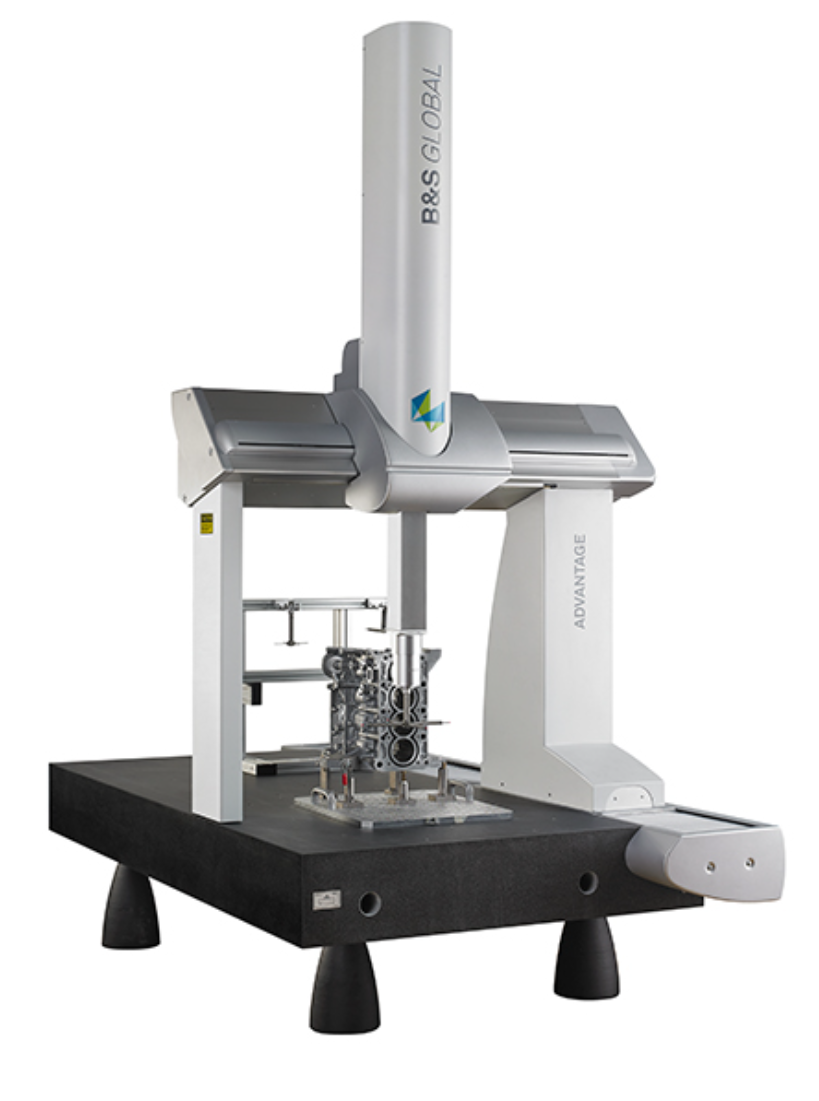
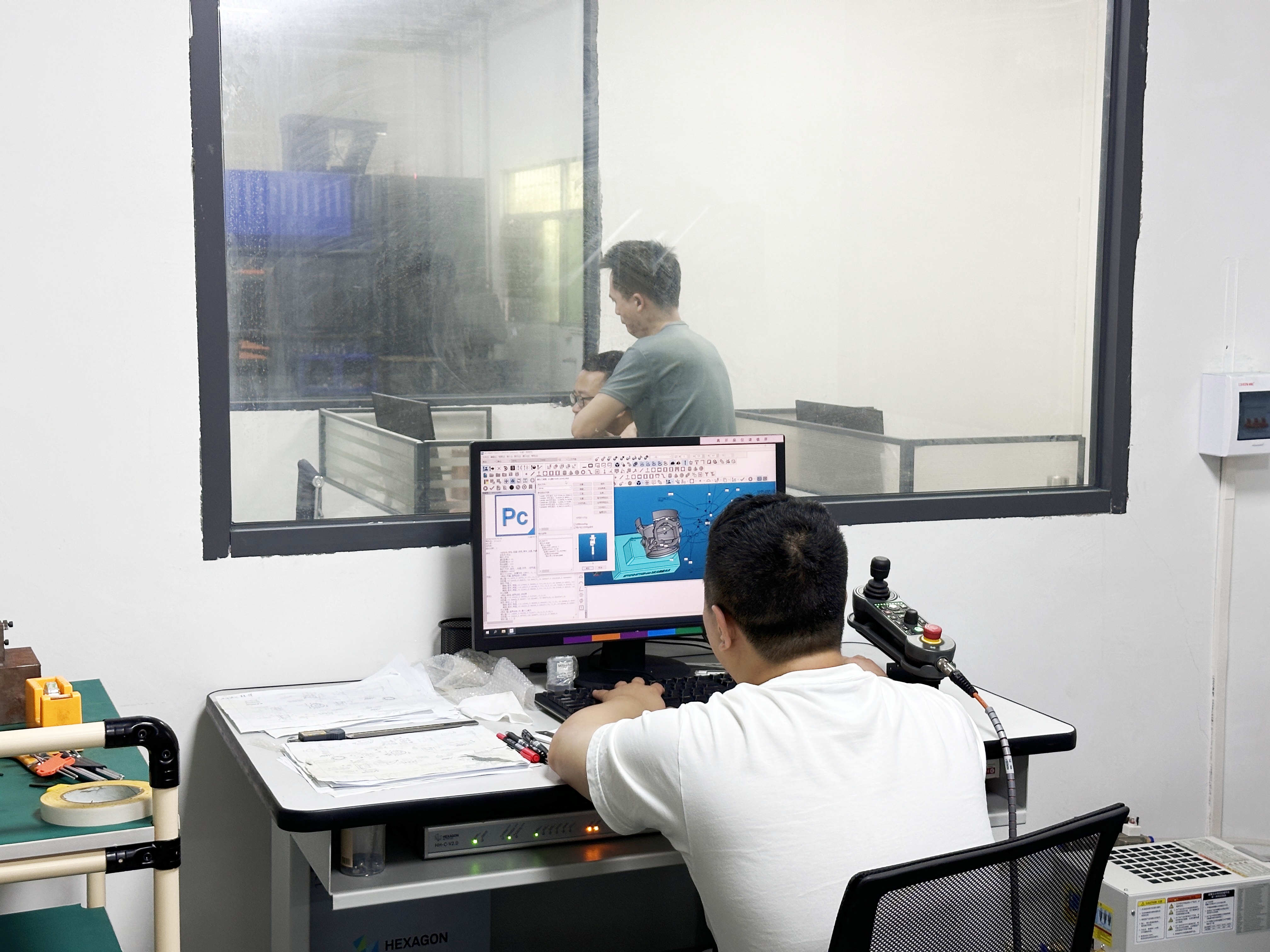
Inspection equipment is worth checking directly. A certificate without measurement capability behind it is a claim; CMMs, optical and height measurement, and calibrated gauges with retained records are evidence. SUNPREC runs HEXAGON measuring machines, TZTEK 2.5D projectors, and TRIMOS height gauges, supporting first article, in-process, and final inspection with records retained per lot — the same discipline described in this article on metal part quality inspection.
One clarification on certifications, because it matters in medical sourcing: an "ISO-certified quality management system" (such as ISO 9001) and a medical-device QMS certification (ISO 13485) are different things, and OEMs commonly require the latter from suppliers of medical components. SUNPREC operates an ISO-certified quality management system; whether ISO 13485 registration or other scheme-specific compliance is required is determined by the customer's regulatory position and the component's classification. Verify certificate scope explicitly with any candidate supplier — it is a five-minute check that prevents an expensive discovery later.
From Prototype to Volume Production
Prototyping and Design Iteration
CNC machining is the natural prototyping method for medical hardware: no tooling to build, design changes absorbed in programming, and parts that reflect final material and process behavior. Fast, accurate prototype fabrication shortens the iterate-and-test loop that dominates early device development. See this guide to prototype metal part fabrication.
Design for Manufacturing Feedback
The cheapest time to find a manufacturing problem is while the design is still on the screen. DFM feedback — flagging features that are hard to reach with tools, tolerances tighter than the function requires, or thin walls at risk of distortion — protects both cost and schedule. Multi-axis machining also expands what is manufacturable without special fixturing; see how multi-axis machining enhances design freedom.
Scaling Up Without Losing Control
Scaling a validated medical component is a controlled transition, not a jump. The process proven on prototypes should carry into pilot runs under production conditions — same machines, same inspection plan, same documentation — and then into stable volume with rolling forecasts. A supplier who machines the prototype and also produces at volume keeps the engineering context intact through that transition, which is exactly what medical programs need. For the production side, see this guide to high-volume metal part production.
How to Choose a cnc machining partner for Medical Components
Beyond the general supplier evaluation criteria, medical components add specific checkpoints:
- Quality system and certificate scope. Confirm which standards the supplier's QMS is certified to, and whether that scope matches your component's classification and your own regulatory obligations.
- Traceability discipline. Ask how material heat lots are tracked from certificate to finished lot, and request a sample documentation package from a previous lot.
- Inspection capability. Look for CMM and calibrated measurement equipment on site, defined FAI and in-process inspection, and retained records — not just a certificate on the wall. See partnering with a certified metal part manufacturer.
- Material experience. Ask specifically about titanium, 17-4 PH, and engineering plastics — the materials that separate routine machine shops from medical-capable ones.
- Engineering communication. Judge the DFM feedback you receive during the RFQ stage; it predicts the whole relationship. A structured question list for supplier evaluation is collected in 10 questions to ask before choosing a metal parts manufacturer.
- Continuity from prototype to volume. Splitting prototype and production across vendors re-opens questions the prototype already answered; a single supplier with both capabilities avoids that. See high-precision custom metal part manufacturing.
Medical CNC Machining Support from SUNPREC
SUNPREC is a one-stop precision metal parts manufacturer serving global B2B customers from prototype development and small-batch production through to mass production. Capabilities include CNC machining and cnc turning, die casting, extrusion, investment casting, sheet metal fabrication, stamping, and surface finishing — under one quality system with one engineering team, which matters when a program spans several part families. Related services are described on the medical instrument industry page and the broader industries served overview.
On the shop floor, machining runs on FANUC and YCM equipment, including multi-axis machining centers, supported by turning for rotational parts — see advanced CNC turning. Inspection is backed by HEXAGON measuring machines, TZTEK 2.5D projectors, and TRIMOS height gauges, within an ISO-certified quality management system. Facility and equipment details are available on the manufacturing capability page.
For medical programs specifically, that combination supports the full path described in this guide: prototype machining with DFM feedback, documented first article and in-process inspection, and a controlled transition into repeatable volume — with surface finishing available in-house so dimensional and surface requirements are planned together rather than negotiated between vendors.
Conclusion
CNC machining earns its central role in medical device manufacturing for a simple reason: it turns demanding designs into verified hardware without tooling commitments, in exactly the materials this industry relies on. The supplier decision, however, is less about machine capability and more about the system around the machines — traceability, inspection discipline, documentation, and engineering communication.
Evaluate those system elements deliberately, verify certificate scope early, and choose a partner who can carry components from prototype through validated volume production under one quality system. That is what turns a machining vendor into part of a medical program's compliance backbone.
Need a Machining Partner for Medical Components?
Send SUNPREC your 2D drawings or 3D CAD files, material and tolerance requirements, surface and cleanliness specifications, and expected volumes — from prototype through production. Our engineering team will review the requirements and confirm a suitable manufacturing and inspection approach.
Request a Quote from SUNPREC →FAQ
1. What tolerances can CNC machining hold for medical parts?
Modern machining centers are capable of very tight control on suitable features — SUNPREC, for example, states CNC machining precision of approximately ±0.01 mm, with some FANUC machines at a machine tolerance of about 0.005 mm. These are machine-capability figures, not guarantees: the achievable tolerance on a specific part depends on its geometry, material, tooling, workholding, and inspection, and the drawing governs.
2. Which materials are most common in medical CNC machining?
Stainless steels (304, 316L, 17-4 PH) for instruments and equipment; titanium Ti-6Al-4V where biocompatibility and strength-to-weight matter; aluminum 6061/7075 for housings and equipment components; and engineering plastics such as PEEK and Ultem for insulating and sterilization-related parts. Material choice follows the application and its regulatory requirements.
3. Does my machining supplier need ISO 13485?
It depends on your regulatory position and the component's classification — many medical OEMs require ISO 13485 registration from suppliers of medical components, while others accept a certified QMS with defined controls. What matters is that you verify certificate scope explicitly and document the requirement in your supplier qualification, rather than assuming.
4. Is titanium difficult to machine?
Titanium is demanding but well understood: it work-hardens and concentrates heat at the cutting edge, so it needs rigid setups, controlled speeds and feeds, sharp tooling, and disciplined tool replacement. Suppliers who run titanium routinely will plan for this — ask how they manage it before awarding titanium parts.
5. How is quality documented for machined medical components?
Typically: mill certificates for incoming material, a first article inspection report on new parts, in-process checks on critical features, final inspection with CMM or calibrated measurement per lot, and certificates of conformance with retained quality records linking each lot to its material and process history.
6. Can one supplier handle both prototypes and volume production?
Yes, when the supplier offers prototype machining and repeatable production under one quality system. The validated process, inspection plan, and engineering context carry through unchanged — which is exactly the continuity medical device programs need when moving from design iteration to approved manufacturing.